Hydraulic forming presses play a critical role in modern manufacturing, shaping materials like metals and plastics with precise force. They ensure accuracy and consistency, making them ideal for complex parts across industries like automotive and aerospace.
Automation has become essential for boosting productivity and efficiency. By integrating automated systems, manufacturers can improve cycle times, reduce errors, and lower labor costs while maintaining high product quality.
This article explores how automated hydraulic forming presses enhance productivity in production lines, focusing on the key benefits of automation.
What are Automated Hydraulic Forming Presses?
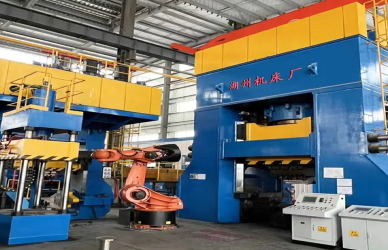
Automated hydraulic forming presses combine hydraulic technology with automation to enhance efficiency, precision, and repeatability in the manufacturing process. These presses use hydraulic force for shaping materials, but automation optimizes performance and reduces the need for manual oversight.
1. Definition and Automation Integration
An automated hydraulic forming press uses automated systems to control the operation, managing parameters like pressure and cycle times. These systems include robots, sensors, and control units to streamline processes and ensure consistent, high-quality results.
2. Precision and Repeatability
Automation enhances precision by minimizing human error and providing consistent results. Through real-time monitoring and sensor feedback, automated presses maintain tight tolerances, making them ideal for industries requiring high accuracy.
3. Key Components of Automated Systems
Robots: Handle material loading/unloading, reducing labor and increasing efficiency.
Sensors: Monitor pressure and position, adjusting the process to ensure accuracy.
AI-driven Control Systems: Use data to optimize press operations and improve overall performance.
Human-Machine Interface (HMI): Provides operators with control and real-time monitoring for easy adjustments.
Key Advantages of Automated Hydraulic Forming Presses
Automated hydraulic forming presses significantly enhance production efficiency, precision, and cost-effectiveness, making them ideal for modern manufacturing environments.
1. Increased Production Speed
Faster Cycle Times: Automation accelerates cycle times, enabling quicker production without compromising quality.
Reduced Downtime: Continuous monitoring and predictive maintenance reduce machine downtime, preventing costly production stoppages.
Improved Throughput: Faster production speeds and minimized downtime lead to increased throughput, enhancing overall productivity.
2. Improved Precision and Consistency
Consistent Pressure Control: Automated systems provide uniform pressure, ensuring consistent, high-quality parts with minimal variation.
Reduced Human Error: By eliminating manual adjustments, automation reduces human error, ensuring reliable consistency in production.
Tighter Tolerances: Automated presses maintain tight tolerances, making them ideal for precision-critical industries like aerospace.
3. Reduced Labor Costs
Decreased Manual Labor: Automation reduces the need for manual intervention, cutting labor costs and boosting efficiency.
24/7 Operation: Automated presses can run continuously with minimal supervision, reducing the need for shift-based labor.
Increased Operational Efficiency: Automation optimizes production, ensuring maximum output with fewer personnel involved.
4. Enhanced Material Handling and Waste Reduction
Optimized Material Handling: Automated systems streamline material loading and unloading, improving accuracy and reducing handling errors.
Waste Reduction: Automation ensures better material utilization, cutting waste by forming parts with high precision.
Versatility with Materials: Automated presses efficiently handle various materials, reducing waste and ensuring optimal production.
How Automated Hydraulic Forming Presses Benefit Specific Industries
Automated hydraulic forming presses bring significant benefits across various industries, offering efficiency, precision, and cost-effectiveness. By integrating automation, these presses meet the high demands for mass production, precision, and consistent quality.
1. Automotive Industry
Mass Production of Automotive Parts: Automated hydraulic presses are widely used in the automotive industry for high-volume production of parts like body panels, chassis components, and structural elements. The automation speeds up production while maintaining the necessary quality and uniformity.
Enhanced Production for Complex Parts: Automation enhances the ability to produce complex shapes with high precision. Automated presses can manage intricate designs, ensuring that automotive components meet both performance and aesthetic standards, reducing waste and improving throughput.
2. Aerospace and Defense
Precision for Aerospace Components: In the aerospace and defense sectors, parts need to meet stringent tolerances. Automated hydraulic presses provide accurate pressure control and real-time adjustments to ensure components like aircraft wings, turbine blades, and engine components are made to exact specifications.
Improved Speed and Quality: Automation speeds up the production of high-precision components, while maintaining the quality needed for critical aerospace parts. By reducing human error, automated presses ensure consistency and quality control for the demanding aerospace and defense applications.
3. Electronics and Consumer Goods
High-Precision Parts for Electronics: Automated presses are ideal for producing small, high-precision parts required for electronics and consumer goods. These parts, such as connectors, housings, and brackets, demand tight tolerances and repeatability, which automated systems excel at.
Efficiency in Complex Component Production: Automated presses streamline the manufacturing of a wide range of components, ensuring speed and accuracy. For example, in the production of smartphone casings or consumer electronics housings, automated hydraulic presses optimize material use and reduce scrap, contributing to both cost savings and efficiency.
Integration of Automation with Existing Production Lines
Integrating automated hydraulic forming presses into existing production systems can transform traditional manufacturing lines by enhancing efficiency, precision, and flexibility. While it offers substantial benefits, the process of integration requires careful planning and consideration.
1. How Automated Hydraulic Forming Presses Can Be Integrated into Existing Systems
Automated hydraulic forming presses can be integrated into existing systems by incorporating advanced control units, robots, and sensor technologies into the current production setup. This typically involves connecting automated systems to the existing hydraulic infrastructure, allowing for enhanced functionality without replacing entire machines. In some cases, existing presses can be retrofitted with automated components, making the transition smoother and more cost-effective.
2. Benefits of Retrofit Solutions for Upgrading Traditional Presses to Automated Systems
Cost-Effective Upgrades: Retrofitting traditional hydraulic presses with automated systems is a more affordable solution than replacing entire machines. This allows manufacturers to modernize their production without incurring the high costs of new equipment.
Improved Performance: Retrofits often improve the overall performance of existing presses by adding AI-driven controls, sensor-based feedback, and robotic material handling, boosting production speed, precision, and consistency.
Extended Equipment Lifespan: By upgrading older presses with automation, manufacturers can extend the lifespan of their existing equipment while benefiting from the latest advancements in manufacturing technology.
3. Overcoming Challenges in Automation Integration
System Compatibility: One of the main challenges in integrating automation into existing production lines is ensuring that new systems are compatible with older equipment. It is essential to assess the current setup and work with automation experts to ensure smooth integration. This may involve upgrading certain components or adjusting control systems to allow for seamless communication between old and new technologies.
Worker Training: Introducing automation often requires retraining staff to operate and maintain the new automated systems. While automation reduces the need for manual labor, employees must be educated on new processes, troubleshooting, and system monitoring to ensure smooth operations and avoid potential disruptions.
Minimizing Downtime During Integration: Integrating automation into an existing production line can result in some temporary downtime. Manufacturers must plan for this transition period, scheduling upgrades during off-hours or implementing staged rollouts to minimize production disruptions.
Conclusion
Adopting automated hydraulic forming presses offers numerous advantages, including increased production speed, improved precision, reduced labor costs, and enhanced material handling. These systems allow manufacturers to streamline their operations, reduce downtime, and ensure consistent, high-quality output, making them an essential component for modern manufacturing processes.
For manufacturers aiming to boost productivity, reduce costs, and enhance operational efficiency, exploring automation solutions is a strategic move. Automated hydraulic presses provide a competitive edge by offering both precision and flexibility, enabling businesses to meet the growing demands of today’s industries.
We encourage manufacturers to consult with experts to explore the best automation solutions tailored to their needs. Huzhou Machine Tool Works Co., Ltd. offers customized automation options and can guide you through selecting and integrating automated hydraulic forming presses that suit your production requirements.


