Die Forging is a crucial manufacturing process used to shape metal into high-strength, durable components for industries such as automotive, aerospace, and energy. It is essential for producing parts that need to withstand extreme conditions, offering enhanced performance and reliability. As industries demand higher precision, faster production times, and lower costs, manufacturers are increasingly turning to automation in die forging production lines. Automation integrates advanced technologies like robotic arms, AI, and machine learning to streamline operations, reduce human error, and boost efficiency. This article will explore how a fully automated die forging production line can significantly increase ROI in 2026 by enhancing productivity, reducing costs, and improving product quality, helping manufacturers stay competitive in an ever-evolving market.
The Growing Need for Automation in Die Forging
1.Industry Trends and Demands for Higher Productivity, Quality, and Precision
The global manufacturing landscape is increasingly driven by the need for higher productivity, superior quality, and greater precision. As industries such as automotive, aerospace, and energy continue to grow and evolve, the demand for complex, high-performance parts has surged. Consumers and businesses alike expect faster turnaround times without compromising product integrity. In die forging, achieving tight tolerances, consistent material properties, and high-quality finishes has become essential for ensuring the reliability of the end products, especially when used in critical applications like engine components or structural elements in aircraft.
2.The Pressure to Reduce Costs While Increasing Output
In the face of increasing competition and demand for faster delivery times, manufacturers are under constant pressure to reduce costs while boosting production output. Traditional manufacturing methods often struggle to meet these demands, especially when labor costs, material waste, and inefficiencies can drive up operational expenses. The need to reduce scrap, minimize downtime, and streamline production cycles has never been more critical, as companies are expected to maintain high profit margins without sacrificing the quality of their products.
3.How Automation Addresses These Needs and Enhances Production Capabilities
Automation provides a solution to these challenges by streamlining processes, improving precision, and increasing throughput. With automated systems in place, die forging operations can achieve higher consistency in part quality and dimensional accuracy, minimizing the risk of defects and rework. Automation also optimizes material handling, reduces cycle times, and allows for 24/7 production, ensuring that the output matches the growing demand while reducing labor costs. Advanced technologies such as robotic arms for material handling, AI-driven quality control, and predictive maintenance systems enable manufacturers to maximize uptime and extend the lifespan of equipment, further boosting efficiency and cost-effectiveness.
Key Benefits of a Fully Automated Die Forging Production Line
1.Increased Production Speed: Faster Cycle Times Through Automation
One of the most significant advantages of a fully automated die forging production line is its ability to accelerate production. Automation allows for faster cycle times by minimizing manual intervention and optimizing machine operations. Automated systems can handle tasks such as material loading, positioning, and pressing more quickly and consistently than human operators, significantly reducing the time required for each forging cycle. This enhanced speed not only increases overall throughput but also allows manufacturers to meet higher demand levels while maintaining product quality.
2.Enhanced Precision and Consistency: Reducing Human Error and Improving Quality Control
Automation plays a key role in enhancing the precision and consistency of die forging operations. Robotic arms, automated presses, and AI-driven quality control systems ensure that every part is produced to the exact specifications with minimal deviation. By eliminating human error—such as variations in force application, positioning, or material handling—automation ensures that each component meets the required tolerances. This consistency reduces the risk of defects, rework, and material waste, ultimately improving the overall quality of the forged parts.
3.Reduced Labor Costs: Minimizing the Need for Manual Labor and Reducing Training Costs
With a fully automated system, the need for manual labor is significantly reduced. Automated systems handle repetitive tasks such as material loading, forging, and unloading, lowering labor requirements and reducing associated costs. Moreover, automation reduces the need for highly skilled operators, as the machines can be programmed and maintained with fewer personnel. This not only cuts down on wages but also minimizes training expenses. Over time, the savings in labor costs contribute directly to higher profitability and a better return on investment (ROI).
4.Improved Safety: Reduced Workplace Injuries Through Automated Handling and Operations
Automation enhances safety on the shop floor by taking over dangerous or physically demanding tasks from human workers. Robotic arms and automated machines can handle heavy lifting, high-pressure tasks, and exposure to high temperatures, reducing the risk of worker injuries. Additionally, automated systems can be equipped with sensors to detect faults or hazards, triggering safety measures before an accident occurs. As a result, workplace safety improves, reducing the likelihood of accidents and their associated costs, including medical expenses, downtime, and legal liabilities.
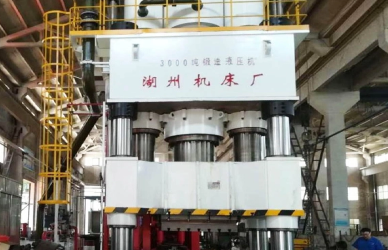
Technologies Driving Automation in Die Forging
1.Robotic Arms for Material Handling and Part Positioning
Robotic arms efficiently handle material loading, positioning, and unloading, reducing human error and speeding up production. These robots ensure accurate part placement, continuous operation, and high consistency across forging cycles.
2.AI and Machine Learning for Predictive Maintenance and Quality Control
AI and machine learning predict equipment failures by analyzing sensor data, enabling proactive maintenance and minimizing downtime. These technologies also monitor quality in real-time, adjusting parameters to ensure precise part production.
3.Automated Presses and Robotic Systems for Efficient Forging Cycles
Automated presses ensure consistent pressure and force during the forging process, while robotic systems handle tasks like material loading and unloading, speeding up production and reducing cycle times.
4.Advanced Sensors and Condition Monitoring to Enhance Productivity
Sensors monitor temperature, pressure, and vibrations, providing real-time data for optimal performance. Condition monitoring helps identify equipment issues early, allowing for predictive maintenance and reducing unplanned downtime.
ROI Calculation: How Automation Translates to Profit
1.Cost Reduction: Savings in Labor, Energy, and Material Waste
Automation reduces the need for manual labor by handling repetitive tasks like material handling and part positioning, leading to significant savings in labor costs. Additionally, automated systems optimize energy use and reduce material waste by ensuring precise control of the forging process, minimizing errors and defects. These savings directly contribute to lowering overall production costs.
2.Increased Throughput: Higher Production Volume Due to Reduced Cycle Times
Automated systems significantly reduce cycle times by streamlining processes such as material loading, pressing, and unloading. This leads to faster production speeds and higher throughput, allowing manufacturers to produce more parts in less time. Increased production volume boosts revenue without a proportional increase in operational costs.
3.Reduced Downtime: How Predictive Maintenance and Automation Minimize Unscheduled Stoppages
Predictive maintenance powered by AI and sensor data helps identify potential equipment failures before they occur, reducing unplanned downtime. Automation also enables continuous, 24/7 operation, further decreasing downtime caused by human errors or manual intervention. Less downtime means more time spent on production, leading to higher output and greater profitability.
4.Long-Term Savings: The Compounding Effect of Automation on Operational Efficiency and Reduced Overheads
The benefits of automation compound over time, with continuous improvements in operational efficiency and reduced overhead costs. Automated systems require less manual supervision, reducing management costs. Additionally, the longevity of automated equipment, supported by predictive maintenance, decreases the need for costly repairs and replacements, leading to long-term savings and higher ROI.
FAQ (Frequently Asked Questions)
1.What are the main advantages of automating a die forging production line?
Automation boosts production speed, reduces human error, cuts labor costs, and improves safety, making operations more efficient and cost-effective. It ensures consistent quality, faster cycles, and fewer mistakes, helping manufacturers meet growing demand while boosting profitability.
2.How does automation improve the precision of die forging?
Automated systems, such as robotic arms and AI-driven controls, ensure consistent force application and precise material handling. This reduces variations, tightens tolerances, and improves part accuracy, which is crucial for industries like aerospace or automotive, where high precision is essential.
3.What technologies are used in a fully automated die forging production line?
Automation in die forging uses robotic material handling, automated presses, predictive maintenance powered by AI, and advanced sensors to monitor key parameters like temperature and pressure. AI-driven quality control optimizes the forging process to ensure consistent part quality.
4.How can a business justify the high initial investment in automation?
Although the upfront cost is high, automation delivers long-term savings through increased throughput, reduced labor costs, minimized downtime, and higher productivity. These efficiencies lead to significant cost reductions over time, providing a strong ROI and long-term profitability.
Conclusion
In summary, automation in die forging significantly boosts ROI by reducing costs, increasing throughput, and minimizing downtime. By automating key processes such as material handling, forging, and quality control, manufacturers can achieve faster production cycles, higher precision, and reduced labor expenses. Predictive maintenance further enhances equipment reliability, reducing unplanned stoppages and extending the lifespan of machinery. The long-term savings generated by automation, combined with the increased efficiency and output, lead to sustained profitability. As the industry moves toward 2026 and beyond, fully automated die forging systems will continue to evolve, incorporating even more advanced technologies like AI, robotics, and real-time data analytics. Embracing automation not only ensures competitive advantage but also positions manufacturers for long-term success in an increasingly fast-paced and cost-conscious market.


