When it comes to industrial manufacturing, the need for precision, speed, and quality control is paramount. One of the key machines that help achieve these goals in a wide range of industries—particularly in woodworking, plastic molding, and metalworking—is the hydraulic hot press. This powerful machine is used to apply heat and pressure to materials, shaping them into specific forms or bonding them together. Hydraulic hot presses are integral in manufacturing processes that require the controlled application of heat and pressure to materials to change their properties or shape them into desired products.
In this article, we will explore how hydraulic hot presses work, the principles behind them, their components, and the various applications across different industries.
What is a Hydraulic Hot Press?
A hydraulic hot press is a type of press machine that combines hydraulic pressure with heat to process materials. The machine consists of two primary forces: hydraulic pressure to apply force, and heat to alter the properties of the material being processed. The main purpose of a hydraulic hot press is to mold, bond, or cure materials by applying a combination of both heat and pressure.
Hydraulic presses, in general, work by using a hydraulic system to generate force. A hydraulic system uses the principle of Pascal's Law, which states that when a fluid is enclosed in a container and pressure is applied to it, the pressure is distributed equally in all directions. The hydraulic press uses this principle to generate force by pushing a piston, which exerts pressure onto the material being processed.
When combined with heat, the hydraulic hot press is used to process materials like plastics, rubber, composite materials, and wood-based products like plywood or laminated boards.
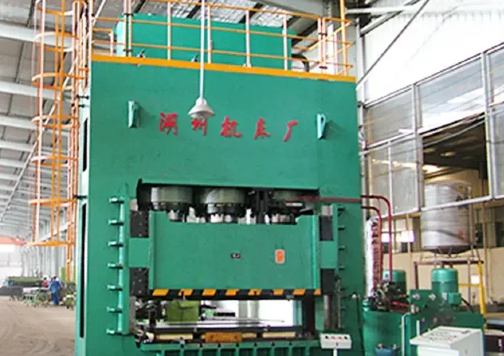
Components of a Hydraulic Hot Press
To understand how hydraulic hot presses work, it’s helpful to know the key components that make up the machine. These components are designed to work together to apply controlled heat and pressure to the material being processed:
1. Hydraulic System
The hydraulic system is the heart of a hydraulic hot press. It consists of several components, including:
Hydraulic pump: This pump generates the necessary pressure to push the piston and exert force onto the material.
Hydraulic cylinder: The cylinder contains the piston, which moves when hydraulic fluid is pumped into the system. The piston applies pressure to the material.
Hydraulic fluid: A specialized oil that is used to transfer pressure from the pump to the piston, enabling the press to function effectively.
2. Pressing Plates (Platen)
The pressing plates, also known as platens, are large, flat metal surfaces where the material to be processed is placed. These plates are heated, and they apply direct pressure to the material. The platens are typically made of metal to withstand the high pressures and temperatures involved in the process.
There are two types of platens:
3. Heating System
The heating system is responsible for raising the temperature of the platens to the desired level. The heating element can be located within the platens or attached to them, depending on the machine design. Common heating methods include:
Electrical resistance heating: This method uses electrical resistance elements (like heating coils) embedded in the platens to generate heat.
Hot oil or water heating: Some hydraulic hot presses use hot oil or water circulating through the platens to raise their temperature.
4. Control System
The control system is responsible for regulating the temperature, pressure, and time during the pressing process. It ensures that the correct settings are maintained to achieve the desired results. Control systems are typically automated, allowing operators to set parameters such as:
The temperature of the platens
The pressure applied to the material
The duration of the pressing cycle
5. Material Loading and Ejection Mechanism
Once the material is placed between the platens, the press applies the desired pressure and heat. After the pressing cycle is complete, the material needs to be ejected from the press. This is typically done using a loading and ejection mechanism, which may include a hydraulic or mechanical system to lift the platens apart and remove the finished product.
How Does a Hydraulic Hot Press Work?
Now that we’ve covered the components, let’s look at the step-by-step process of how a hydraulic hot press works in practice. While the specific steps may vary depending on the type of material being processed, the general procedure follows these basic principles:
1. Material Placement
The material to be processed is placed between the upper and lower platens. In some cases, the material may be preheated before placement, or it may be cold-pressed first to start shaping. The material could be a piece of wood, a sheet of plastic, a rubber compound, or a composite material, depending on the intended application.
2. Heating the Platens
Once the material is loaded, the heating system is activated to bring the platens up to the desired temperature. The heat is crucial in softening or curing the material. For example:
In wood processing, the heat softens adhesives in laminated boards.
In plastic molding, the heat causes the plastic to become pliable and moldable.
The control system monitors the temperature to ensure it remains at the correct level throughout the process.
3. Application of Pressure
Once the platens are heated, the hydraulic system is activated to apply pressure to the material. The hydraulic fluid is pumped into the hydraulic cylinder, causing the piston to move and the upper platen to descend onto the material.
The amount of pressure applied depends on the material being processed and the desired outcome. For instance:
In plywood manufacturing, the press might apply high pressure to bond layers of wood together.
In plastic molding, the press applies pressure to force the plastic into a mold, shaping it into a precise form.
The pressure helps compact the material, remove air pockets, and ensure that it forms a solid, cohesive bond. For composite materials, it may also help the material cure or harden.
4. Curing or Bonding Process
As heat and pressure are applied, the material undergoes a physical or chemical transformation. For instance:
In laminated wood products, the heat activates adhesives that bond the wood layers together, and the pressure ensures a solid bond.
In plastic molding, the heat softens the plastic, and the pressure helps shape it into the mold’s design.
In rubber vulcanization, the heat causes the rubber to cure and harden, while the pressure ensures it takes the desired shape.
The combination of heat and pressure can also help eliminate excess moisture or gases trapped in the material.
5. Cooling and Ejection
Once the material has been sufficiently pressed and the curing or bonding process is complete, the press is typically allowed to cool. Cooling is crucial, especially for materials like plastics or rubber, which need to solidify in their final shape.
After cooling, the hydraulic system is used to retract the upper platen, and the finished product is removed from the press. The process is complete, and the material is ready for further processing or packaging.
Applications of Hydraulic Hot Presses
Hydraulic hot presses are widely used in various industries due to their versatility and ability to handle a wide range of materials. Some of the most common applications include:
1. Wood and Plywood Industry
In the wood industry, hydraulic hot presses are used to produce plywood, laminated boards, and fiberboard. The heat activates adhesives between layers of wood, and the pressure ensures a solid bond. Hot pressing also helps with veneer bonding and ensures uniform thickness and smooth finishes for wood products.
2. Plastic Molding
Hydraulic hot presses are used in plastic molding to shape plastic products. The press applies heat to soften the plastic and pressure to force it into the mold. This process is used to create a wide variety of plastic items, from household goods to automotive parts.
3. Rubber Processing
In rubber manufacturing, hydraulic hot presses are used for the vulcanization process, where heat and pressure cure the rubber, making it more durable and heat-resistant. This process is essential for producing rubber products like tires, seals, and gaskets.
4. Composite Materials
For industries that use composite materials, such as aerospace or automotive, hydraulic hot presses are used to mold materials like fiberglass, carbon fiber, or other reinforced polymers. The combination of heat and pressure allows for the creation of lightweight yet strong parts.
5. Food Industry
Some hydraulic hot presses are even used in the food industry, particularly for pressing and shaping products like cheese, meats, or baked goods. These presses help in forming food items into specific shapes or textures while applying heat for sterilization or baking.
Conclusion
Hydraulic hot presses are powerful and versatile machines that play a critical role in many industries, from wood processing to plastic molding, rubber curing, and even food production. By combining heat and pressure, these machines can bond, shape, and mold materials with precision, ensuring the creation of high-quality products.
Whether you are pressing laminated wood, molding plastic, or curing rubber, understanding how hydraulic hot presses work can help you appreciate the complex processes behind the creation of many everyday products. Their ability to provide consistent pressure and temperature makes them indispensable tools in modern manufacturing.


