A hydraulic forming press is a machine that uses hydraulic pressure to shape materials, typically metal or plastic, into specific forms. It operates by applying force through a pressurized fluid, providing precise control over pressure and speed, which is essential for achieving accurate and complex shapes.
In modern manufacturing, hydraulic forming presses are crucial in high-volume production. They offer flexibility, speed, and consistency, making them ideal for industries like automotive, aerospace, and electronics, where precision and efficiency are key.
This article explores the advantages of hydraulic forming presses in high-volume production, focusing on how they improve production speed, product quality, and energy efficiency while reducing costs and waste.
What is a Hydraulic Forming Press?
A hydraulic forming press is a machine used to shape materials like metals or plastics by applying controlled pressure via a hydraulic system. It uses a fluid-driven piston to apply force to a die, shaping the material with precise control over pressure and speed, ideal for complex forming tasks.
1. Working Principle
Based on Pascal’s Law, hydraulic forming presses apply pressure through a confined fluid. The hydraulic fluid (usually oil) is pumped into cylinders, driving pistons that exert force on the material. Adjusting fluid flow allows for precise shaping with minimal distortion.
2. Key Components and Functions
Hydraulic Cylinders: Generate the necessary pressure to shape the material.
Pistons: Apply force evenly and efficiently to the material.
Control Valves: Regulate fluid flow and pressure, allowing precise adjustments.
Hydraulic Pump: Circulates fluid to ensure piston movement.
Die Set: Holds the material in place and shapes it when pressure is applied.
3. Applications of Hydraulic Technology
Hydraulic forming presses are used across various industries:
Metal Forming: Used in automotive, aerospace, and industrial tooling for shaping high-strength metals.
Plastic Processing: Essential for molding plastic parts like dashboards and packaging.
Other Fields: Applied in rubber molding, glass shaping, and medical device manufacturing.
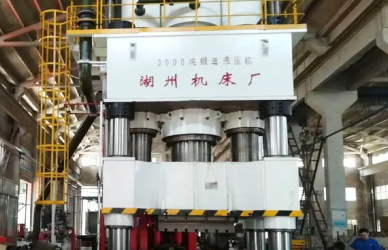
Advantages of Hydraulic Forming Presses
Hydraulic forming presses are highly efficient machines that offer multiple benefits, making them ideal for high-volume production.
1. High Precision and Accuracy
Hydraulic presses ensure stable and precise pressure, producing high-quality products with consistent dimensions. The system’s accuracy makes it suitable for complex forming tasks requiring tight tolerances, especially in industries like aerospace and automotive.
2. Flexibility in Production
Hydraulic presses are versatile and can handle various materials and thicknesses. They allow for quick adjustments in pressure and speed, making them ideal for different production needs. This flexibility reduces setup time and improves overall efficiency.
3. Energy Efficiency
Hydraulic presses are more energy-efficient than traditional mechanical presses. They consume energy only when required, reducing waste and operating costs. Hydraulic systems can adjust energy use based on the force needed, optimizing efficiency.
4. Increased Production Speed
Hydraulic forming presses speed up production by offering faster cycle times and reducing downtime. The integration of automated control systems further boosts production efficiency, ensuring continuous operation with minimal human intervention.
5. Better Material Handling
Hydraulic presses can handle high-hardness and deformable materials, such as metals and plastics, with ease. They are ideal for high-volume production, ensuring minimal material waste and consistent results across large batches.
How Hydraulic Forming Presses Contribute to High-Volume Production
Hydraulic forming presses are integral to high-volume production lines. Their precision, flexibility, and efficiency make them indispensable in industries that require large-scale manufacturing. Here's how they contribute:
1. The Role of Hydraulic Forming Presses in High-Volume Production Lines
Hydraulic forming presses are the backbone of high-volume production lines, enabling manufacturers to produce large quantities of parts with speed and accuracy. The ability to apply controlled pressure ensures that each product meets the required specifications, regardless of the scale of production.
High Throughput: Hydraulic presses help maintain high throughput without sacrificing product quality, enabling manufacturers to meet tight deadlines.
Continuous Operation: With their robust design, hydraulic presses can operate continuously over long periods, making them perfect for industries that need to produce parts 24/7.
2. Enhancing Continuity and Stability of Production Lines
The stability provided by hydraulic forming presses is essential for ensuring smooth production lines. These presses can operate at consistent speeds and pressures, reducing fluctuations that could affect the quality of the final product.
Reduced Human Error: The automation and precision of hydraulic presses significantly reduce the risk of human error during the forming process. Automated systems can control pressure and speed, ensuring that every part is formed accurately without requiring constant human intervention.
Improved Efficiency: The system’s ability to consistently apply pressure allows for continuous production with minimal downtime. This reliability enhances overall workflow, making the production line more stable and predictable.
3. Ensuring Consistency and Quality Control in Large-Scale Production
Consistency is key when it comes to large-scale production, and hydraulic forming presses excel at ensuring uniformity across all parts.
Uniformity in Shaping: The hydraulic system’s ability to apply uniform pressure across a large surface ensures that each product is shaped consistently, maintaining the required dimensions throughout production.
Quality Control: By maintaining precise control over the pressure and speed, hydraulic presses reduce the chances of defects. This consistent performance is essential in industries like aerospace, automotive, and electronics, where quality control is critical.
Applications in Various Industries
Hydraulic forming presses are widely used across multiple industries due to their precision, flexibility, and efficiency.
1. Automotive Industry
Hydraulic presses help automotive manufacturers achieve efficient production by shaping materials like steel and aluminum for parts such as body panels and engine components.
Precision and Speed: Ensures high-quality, precise parts for safety and performance.
Complex Shaping: Capable of forming complex shapes like body panels.
High-Volume Production: Enables continuous, high-speed production runs.
2. Aerospace Industry
In aerospace, hydraulic presses are used for forming critical parts like wings and fuselage sections.
Handling High-Strength Materials: Can shape tough materials like titanium.
Precision: Ensures lightweight, accurate components that meet strict standards.
Customization: Pressure and speed adjustments cater to specific part requirements.
3. Electronics and Consumer Goods
Hydraulic presses are key for precision and speed in producing parts for electronics and consumer goods.
Small, Detailed Parts: Perfect for components like casings and connectors.
High-Speed Production: Meets the demand for mass-produced, high-quality items.
Material Versatility: Handles both metals and plastics efficiently.
4. Metalworking and Heavy Industry
In metalworking, hydraulic presses are used for shaping metals into structural components and industrial machinery.
Heavy Materials: Can form high-strength metals like steel and aluminum.
Precision Shaping: Ensures accuracy in large, complex parts.
Versatility: Adjusts to different material types and sizes.
Conclusion
Hydraulic forming presses offer significant advantages in high-volume production by improving efficiency, precision, and flexibility while reducing costs. These presses provide stable and precise pressure, making them ideal for complex tasks in industries like automotive, aerospace, and electronics. Their adaptability allows manufacturers to handle various materials and ensure consistency in mass production.
As technology continues to evolve, hydraulic forming presses are becoming more advanced with innovations such as automated systems and energy-efficient designs. These advancements promise even greater production speed, reduced energy consumption, and further enhancements in product quality.
For businesses seeking to optimize production processes, hydraulic forming presses remain an essential investment. To learn more about these powerful machines and how they can benefit your manufacturing operations, visit Huzhou Machine Tool Works Co., Ltd.. Their expert team can provide you with tailored solutions and help you take the next step in improving your production line.


