In oil and gas infrastructure, pipes play a critical role in the transportation of oil, gas, and other fluids across vast distances. The integrity and alignment of these pipes are essential for maintaining optimal flow, safety, and efficiency. Pipe straightening machines are vital tools in this process, ensuring that pipes are free from deformations and misalignments that can hinder performance. These machines are used to straighten pipes during manufacturing or repair stages, preventing issues that can arise from improper alignment, such as increased wear, leaks, and even system failures. In this article, we will explore the importance of pipe straightening machines in the oil and gas industry, focusing on how they contribute to the durability, safety, and overall effectiveness of infrastructure projects.
What is a Pipe Straightening Machine?
1.Definition of Pipe Straightening Machines and How They Function
A pipe straightening machine is a device used to eliminate bends, deformations, or misalignments in pipes, ensuring they are perfectly straight and ready for installation. These machines apply controlled force to straighten pipes without causing damage to the material. They are essential in the manufacturing and repair of pipes for various industries, particularly oil and gas, where precise alignment is critical to system performance.
2.Different Types of Pipe Straightening Machines Used in the Industry
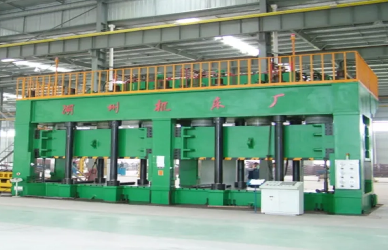
Hydraulic Pipe Straightening Machines: These machines use hydraulic pressure to apply force to the pipe, gradually straightening it. Hydraulic presses are widely used due to their ability to handle a variety of pipe sizes and materials with high precision.
Mechanical Pipe Straightening Machines: Mechanical machines use a set of rollers or bending mechanisms to straighten pipes. These are often more cost-effective but may be less versatile compared to hydraulic machines.
Electric and Pneumatic Machines: These machines use electric motors or compressed air to operate the rollers and bending systems, offering a more automated option for high-volume production.
3.The Process of Pipe Straightening and the Technology Behind It
The pipe straightening process generally involves passing a bent or deformed pipe through a series of rollers or presses that gradually apply force to reshape the pipe into a straight form. Depending on the machine, the process may be manual or automated. The technology behind pipe straightening has evolved to include computer-controlled systems that monitor and adjust pressure, speed, and positioning to ensure the pipe is straightened to precise specifications without damaging the material.
The Role of Pipe Straightening in Oil and Gas Infrastructure
1.Importance of Straightened Pipes for Optimal Flow and Pressure Management
Straightened pipes are crucial for maintaining the flow rate and pressure within the pipeline. Misaligned pipes can cause irregular flow, leading to friction and energy loss. In oil and gas pipelines, ensuring that pipes are straight allows for consistent fluid movement, reduces energy consumption, and maintains the pressure needed to transport oil, gas, or other materials efficiently across long distances.
2.How Pipe Misalignment Affects Installation, Safety, and Performance
Misalignment during installation can lead to several issues:
Installation Challenges: Misaligned pipes are difficult to connect properly, requiring additional labor and time, which can delay project timelines.
Safety Risks: Misaligned pipes can cause stress at connection points, potentially leading to leaks or ruptures, posing significant safety hazards.
Reduced Performance: Misalignment affects fluid dynamics, leading to inefficiencies such as higher energy costs and possible overpressure in certain sections of the pipeline.
3.The Impact of Pipe Straightening on the Durability and Lifespan of Infrastructure
Straightening pipes during manufacturing or repair extends the lifespan of the infrastructure. Properly aligned pipes are less likely to suffer from material fatigue, wear, or corrosion at joints, which are common issues caused by misalignment. By maintaining the structural integrity of the pipeline, pipe straightening enhances durability, reduces the need for repairs, and increases the overall longevity of the infrastructure, ultimately saving costs in the long term.
Benefits of Using Pipe Straightening Machines
1.Improved Pipe Quality: Ensuring Pipes Are Free of Defects and Deformations
Pipe straightening machines are essential for ensuring the structural integrity of pipes by removing any bends, kinks, or deformations. This process guarantees that pipes are uniformly shaped, which is crucial for maintaining consistent performance and preventing defects that could weaken the pipeline. High-quality pipes, free of imperfections, contribute to overall system reliability.
2.Increased Operational Efficiency: Reducing Downtime During Installation and Maintenance
Using pipe straightening machines improves the installation process by ensuring pipes are ready for seamless connection without the need for adjustments or rework. This reduces downtime during both installation and maintenance, accelerating project timelines and minimizing delays. Efficiently straightened pipes allow for faster, more streamlined installation and repair work, increasing the overall operational efficiency of oil and gas infrastructure projects.
3.Cost Savings: Minimizing the Risk of Failures and Costly Repairs
Straightened pipes are less likely to experience problems such as leaks, cracks, or other damage due to misalignment, which can result in expensive repairs and system failures. By investing in pipe straightening machines, companies can avoid costly fixes and reduce the likelihood of major breakdowns. Additionally, properly straightened pipes lead to fewer material waste and more efficient use of resources, driving cost savings in the long run.
4.Safety Enhancements: Reducing Risks Associated with Pipeline Misalignment
Misalignment in pipelines can lead to dangerous conditions such as stress on joints, weak points, and even ruptures. Using pipe straightening machines minimizes these risks by ensuring proper alignment, enhancing the overall safety of the pipeline system. Straightened pipes reduce the likelihood of accidents and provide a safer environment for workers and the public.
Challenges in Pipe Straightening
1.Handling Different Materials and Pipe Sizes
One challenge in pipe straightening is dealing with a variety of materials and pipe sizes, as different materials may require different handling and straightening techniques. For example, pipes made of steel, aluminum, or other metals each have distinct properties that influence the straightening process. Additionally, pipes come in various diameters and lengths, making it necessary to adjust the machine's settings for different pipe sizes to ensure consistent results.
2.The Precision Required in Straightening and Avoiding Damage to the Pipe
Achieving the desired level of precision is crucial in the pipe straightening process. Over-correction or improper handling can result in damage, such as material fatigue or cracks. The need for precise adjustments means that pipe straightening machines must be equipped with high-quality sensors, accurate controls, and real-time monitoring to ensure the pipe is straightened without any risk of damage.
3.Maintenance of Pipe Straightening Machines and Ensuring Consistent Performance
Like any industrial machinery, pipe straightening machines require regular maintenance to maintain consistent performance and avoid breakdowns. Over time, parts such as rollers, hydraulic systems, and electronic components may wear out or become misaligned, affecting the machine's efficiency. Ensuring that machines are regularly inspected and properly maintained is critical for maintaining production flow and minimizing the risk of downtime.
Applications of Pipe Straightening Machines in Oil and Gas
1.Use in Pipeline Construction and Repair
In pipeline construction and repair, pipe straightening machines ensure that pipes are properly aligned before installation and during repairs. Straightened pipes reduce installation time, improve connection quality, and restore pipe integrity, minimizing downtime and the need for replacements.
2.Impact on Refining and Transportation of Oil and Gas
Pipe straightening enhances the efficiency and safety of refining and transporting oil and gas. It ensures proper alignment, which improves flow efficiency, reduces energy loss, and minimizes friction. Straightened pipes can handle high pressure without failure, ensuring reliable operation in transportation systems.
3.Pipe Straightening for Offshore and Onshore Projects
For offshore and onshore projects, pipe straightening is crucial for maintaining pipeline durability in harsh environments. It prevents pressure points, reduces the risk of leaks, and enhances the long-term reliability of pipelines, making them more resilient in challenging conditions.
Frequently Asked Questions (FAQ)
1.How does pipe misalignment affect the performance of an oil and gas pipeline?
Pipe misalignment can cause increased friction, inefficient flow, and higher energy consumption. It may also lead to stress at joints, increasing the risk of leaks, ruptures, or failure, which compromises the safety and efficiency of the pipeline.
2.What are the most common methods of pipe straightening?
The most common methods include hydraulic straightening, which uses pressure to gradually align the pipe, and mechanical straightening, which uses rollers or bending mechanisms to correct deformations. Each method depends on the material and the severity of misalignment.
3.Can pipe straightening machines handle all pipe materials used in the oil and gas industry?
Yes, pipe straightening machines can handle a wide range of materials, including steel, aluminum, and alloys commonly used in the oil and gas industry. However, the specific machine settings and techniques may vary depending on the material’s properties and thickness.
4.How do pipe straightening machines improve safety in pipeline installations?
By ensuring that pipes are perfectly aligned, straightening machines reduce the risk of stress on joints, leaks, and ruptures during installation. This enhances the overall safety of the pipeline, minimizing the potential for accidents or failures that could endanger workers and the environment.
Conclusion
Pipe straightening machines are essential in ensuring the efficiency, safety, and durability of oil and gas infrastructure. By aligning pipes accurately, they prevent issues such as increased friction, material fatigue, and leaks, which can lead to operational inefficiencies and safety hazards. Straightening technology plays a pivotal role in maintaining pipeline integrity and extending the lifespan of these critical systems. As the demand for reliable and sustainable energy infrastructure grows, pipe straightening machines will continue to support the development of future energy projects, ensuring that pipelines remain robust, efficient, and safe for long-term use.


