Lightweight vehicle design has become a key focus in the automotive industry due to the increasing demand for fuel efficiency, reduced emissions, and enhanced performance. By reducing vehicle weight, manufacturers can improve fuel economy, handling, and overall efficiency, while still maintaining structural integrity and safety. High-strength steel (HSS) plays a critical role in achieving these goals, offering an excellent balance of strength and lightness. One of the most effective methods for utilizing HSS in automotive production is hot stamping, a process that enhances the material’s strength and formability. Through hot stamping, automakers can produce lightweight, high-performance parts that contribute to both the safety and efficiency of modern vehicles, making it an essential technique in the development of the next generation of vehicles.
What is High-Strength Steel Hot Stamping?
1.Definition and Process of High-Strength Steel Hot Stamping
High-strength steel hot stamping is a manufacturing process used to produce high-strength, lightweight automotive components. It involves heating steel to a high temperature (typically between 900-950°C) and then quickly stamping it into shape using a die. Once the steel has been heated to the appropriate temperature, it is formed into the desired shape under high pressure, after which it is rapidly cooled (quenched) to lock in the material’s enhanced strength properties. This combination of heating, forming, and cooling allows the steel to achieve significantly higher strength than conventional cold-formed steel.
2.How the Hot Stamping Process Enhances Steel Properties
Hot stamping enhances the properties of steel by taking advantage of the material's microstructure changes during the heating and cooling process. When the steel is heated to high temperatures, its crystal structure becomes more malleable, allowing it to be easily shaped without cracking or losing integrity. The subsequent quenching process rapidly cools the steel, which transforms its microstructure into a harder form, increasing its strength, hardness, and wear resistance. This results in a steel material that is both lightweight and incredibly strong, making it ideal for use in automotive safety-critical parts like crash structures and reinforcements.
3.Key Differences Between Traditional Stamping and Hot Stamping
Temperature: Traditional stamping uses cold steel, which is more rigid but requires higher force to shape. Hot stamping, on the other hand, uses heated steel that is easier to form and shape.
Strength: Hot stamping results in higher strength materials due to the quenching process, which is not a feature of traditional stamping.
Material Efficiency: Hot stamping allows manufacturers to use thinner sheets of steel while maintaining strength, making it more efficient in lightweight vehicle design.
Process Flexibility: Hot stamping provides more flexibility in producing complex shapes, especially for parts requiring high strength and precision. Traditional stamping, however, can be limited by the material's ability to deform without cracking at lower temperatures.
Benefits of High-Strength Steel Hot Stamping in Lightweight Vehicle Design
1.Enhanced Strength-to-Weight Ratio: Improving Vehicle Performance and Fuel Efficiency
Hot stamping improves the strength-to-weight ratio of vehicle parts by allowing the use of thinner, lighter materials without sacrificing strength. This reduction in weight leads to better vehicle performance, improved handling, and enhanced fuel efficiency, as lighter vehicles require less energy to accelerate and maintain speed.
2.Improved Crash Safety: The Role of High-Strength Steel in Enhancing Safety Features
High-strength steel enhances vehicle crash safety by providing stronger, more resilient parts that absorb and dissipate energy during a collision. Key areas like side-impact beams and bumpers benefit from the increased strength, reducing deformation in accidents and improving occupant protection.
3.Cost-Effectiveness: The Impact of Hot Stamping on Production Costs and Material Savings
Hot stamping reduces production costs by using thinner steel while maintaining strength. It also saves on material costs and extends the durability of parts, resulting in fewer repairs and maintenance. While the initial investment is higher, the long-term savings make it a cost-effective solution.
4.Design Flexibility: The Ability to Create Complex, High-Performance Parts
Hot stamping allows for the creation of complex, high-strength parts that are lightweight yet durable. This flexibility is crucial in lightweight vehicle design, enabling manufacturers to produce intricate parts with optimal structural integrity, meeting both performance and safety requirements.
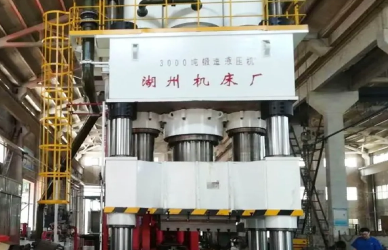
Hot Stamping Process for Lightweight Vehicle Components
1.Overview of the Hot Stamping Process and Its Stages
The hot stamping process involves heating steel to a high temperature, forming it into shape under high pressure, and then rapidly cooling (quenching) it to enhance its strength. The process is divided into several key stages:
Heating: Steel is heated to a temperature (typically 900-950°C) to make it malleable.
Forming: The heated steel is placed in a die and stamped under high pressure to achieve the desired shape.
Quenching: After forming, the steel is rapidly cooled, which hardens the material, improving its strength and durability.
Cooling: The part is allowed to cool completely, maintaining its strength and shape.
This combination of heating, forming, and quenching results in high-strength parts with excellent mechanical properties, suitable for automotive applications.
2.Materials Used for Hot Stamping in Vehicle Manufacturing
The most commonly used materials for hot stamping in vehicle manufacturing are high-strength steels, particularly boron-alloyed steel, which is known for its excellent hardenability. Other materials used include:
Martensitic steels: High-strength steel that is commonly used for safety-critical parts.
Dual-phase steels: Offering a balance of strength and formability, used for parts that require high strength with some ductility.
Complex-phase steels: Providing a mix of strength and ductility for forming complex shapes.
These materials are chosen for their ability to withstand the high temperatures and pressures involved in hot stamping while providing the necessary strength and lightweight characteristics for vehicle components.
3.Examples of Automotive Components Manufactured Using Hot Stamping
Hot stamping is widely used to manufacture parts that require high strength and durability while maintaining a lightweight profile. Examples of components include:
Bumpers: Hot stamping is used to produce lightweight, strong bumpers that provide better crash safety.
Side-impact beams: Essential for vehicle safety, side-impact beams are made using hot stamping for enhanced strength and resistance during collisions.
Roof pillars and reinforcements: These components benefit from hot stamping to provide the strength needed to withstand rollover accidents.
Door beams: Designed to protect passengers during side collisions, these components are forged using high-strength steel hot stamping for superior performance.
Challenges and Considerations
1.Technical Challenges in the Hot Stamping Process
Thermal Management: Maintaining consistent temperature during heating and quenching is critical. Variations can impact material properties, affecting strength and quality.
Die Wear: High temperatures cause rapid die wear, requiring frequent maintenance or material upgrades to ensure precision.
Distortion and Warping: The rapid cooling process can cause parts to distort. Managing this is essential for complex parts requiring high dimensional accuracy.
Cycle Time: Hot stamping can be time-consuming, especially with heating and quenching. Reducing cycle times without compromising quality remains a challenge.
2.Material and Tooling Considerations for Optimal Results
Material Selection: Choosing the right materials, like boron steel or martensitic steels, is crucial for achieving desired strength and formability.
Tooling Design: Tooling must withstand high thermal loads and resist wear while ensuring precise shaping.
Coatings for Tooling: Specialized coatings reduce friction and material build-up, increasing die lifespan and improving part quality.
Lubrication and Cooling: Effective systems are required to reduce friction and tooling wear during the forming process.
3.Potential Limitations and Solutions in the Lightweight Vehicle Production Process
Cost of High-Strength Materials: High-strength materials are more expensive, but their benefits can offset the cost.
Solution: Advanced manufacturing techniques, such as hot stamping, can reduce production costs while maintaining performance.
Production Speed: Hot stamping has slower cycle times compared to other methods.
Solution: Investment in faster heating and cooling technologies can reduce cycle time and increase throughput.
Tooling Maintenance: High temperatures lead to fast die wear.
Solution: Using advanced die materials and coatings can extend tool life and reduce maintenance.
Design Complexity: Complex shapes may risk material deformation.
Solution: Advanced simulations can optimize designs and reduce defects, improving final part quality.
Frequently Asked Questions (FAQ)
1.How does high-strength steel hot stamping improve vehicle performance?
High-strength steel hot stamping enhances vehicle performance by reducing weight while maintaining strength. This leads to better fuel efficiency, handling, and acceleration, contributing to overall improved vehicle dynamics.
2.What makes high-strength steel ideal for lightweight vehicle design?
High-strength steel offers an excellent combination of strength and lightness. It enables the production of thinner, lighter parts without compromising structural integrity, making it ideal for reducing vehicle weight while maintaining safety and durability.
3.How does hot stamping affect vehicle safety?
Hot stamping increases the strength of critical vehicle components, such as bumpers and crash structures, improving their ability to absorb energy during a collision. This enhances passenger protection and contributes to better crash performance.
4.What are the environmental benefits of using high-strength steel hot stamping in vehicles?
High-strength steel hot stamping reduces vehicle weight, which improves fuel efficiency and reduces emissions. Additionally, the process optimizes material use, reducing waste and contributing to more sustainable manufacturing practices.
Conclusion
High-strength steel hot stamping plays a crucial role in the development of lightweight vehicles, offering a perfect balance between strength and weight reduction. By enabling the production of thinner, lighter parts without sacrificing safety or durability, it contributes significantly to improved vehicle performance, fuel efficiency, and crash safety. As the automotive industry continues to prioritize sustainability and safety, high-strength steel hot stamping will remain an essential technology in creating the next generation of vehicles. Its ability to meet the demanding requirements of modern automotive manufacturing makes it indispensable for the future of efficient, safe, and environmentally friendly vehicle design.


