Hydraulic forming presses are vital in modern manufacturing, used across industries like automotive, aerospace, and electronics. They rely on hydraulic force to shape a variety of materials with precision and strength, making them ideal for producing parts with complex geometries and varying thicknesses.
Precision ensures parts meet strict tolerances, while strength guarantees the materials can withstand high forces without failure. These two qualities are critical in industries where safety and performance are key.
This article explores the scientific principles behind hydraulic forming presses, focusing on how they achieve high precision and strength, and why they are essential in modern manufacturing.
The Core Science: How Hydraulic Forming Presses Work
1. Pascal’s Law: The Foundation of Hydraulic Systems
At the heart of every hydraulic forming press lies Pascal’s Law, which states that pressure applied to a confined fluid is transmitted equally in all directions. This principle is crucial because it allows the press to apply uniform pressure across the material being shaped. In a hydraulic press, when pressure is applied to the hydraulic fluid (typically oil), the force is distributed evenly through the system, enabling precise and controlled shaping of materials.
2. Hydraulic Fluid Dynamics
Hydraulic presses use hydraulic fluid (usually oil) as the medium to transmit force. The fluid is pumped into cylinders, where it creates pressure that drives pistons. These pistons apply the necessary force to the material being formed. The fluid's properties—such as viscosity and compressibility—ensure smooth and stable operation, allowing for controlled application of force even during high-pressure situations. The fluid's ability to flow freely through the system is what enables the press to adjust to different material types and thicknesses.
3. Force Multiplication: Maximizing Efficiency
One of the key advantages of a hydraulic press is its ability to multiply input force. By using a large piston and a smaller piston in a system with different surface areas, the press can generate tremendous force from a relatively small input. This force multiplication enables hydraulic presses to shape tough materials like steel with ease, even when high force is required. The hydraulic system’s flexibility allows operators to adjust the force applied, offering precise control over material deformation while minimizing waste or defects.
Key Components and Their Role in Precision and Strength
1. Hydraulic Cylinders: Generating Force
Hydraulic cylinders generate the force required for the forming process. They house pistons and hydraulic fluid, creating high pressure for shaping materials. The cylinder’s size and design ensure even force distribution, essential for precise shaping and minimizing defects.
2. Pistons: Consistent Force Application
Pistons inside the cylinders apply consistent pressure to materials. The piston’s smooth movement ensures uniform force, which is vital for achieving precision, especially with complex shapes.
3. Control Valves and Pumps: Regulating Pressure and Flow
Control valves adjust the hydraulic fluid flow to regulate pressure, while pumps circulate the fluid to maintain consistent force. Together, they enable precise control over the forming process, ensuring stable and accurate operation.
4. Die and Tooling: Shaping Materials with Precision
Dies and tooling shape the material into the desired form. Precision in die setup and alignment is crucial for creating parts to exact specifications, ensuring high-quality results and minimizing waste.
Precision in Hydraulic Forming Presses
1. Fine Control of Pressure
Hydraulic presses offer fine control over the pressure applied to materials, which is essential for ensuring uniform force distribution. This ability to precisely adjust the pressure ensures that force is evenly applied across the entire surface of the material, reducing the risk of defects like uneven forming or material distortion. By fine-tuning the pressure, operators can achieve consistent results across multiple production cycles, maintaining high-quality standards.
2. Accuracy in Shaping Complex Geometries
One of the key advantages of hydraulic forming presses is their ability to shape complex geometries with high accuracy. These presses are ideal for producing parts with intricate designs or detailed features. The precise pressure control allows for the creation of deep draws, fine details, and complex shapes without compromising the material’s integrity. This capability makes hydraulic presses indispensable for industries requiring tight tolerances, such as automotive and aerospace.
3. Adjustable Pressure Settings
Hydraulic presses come with adjustable pressure settings, allowing operators to tailor the pressure levels to suit a variety of materials and part designs. This flexibility ensures that both soft materials and hard, high-strength metals can be formed with the right amount of force, optimizing both precision and quality. Whether working with delicate plastic parts or robust metal components, the ability to adjust pressure ensures that each material is shaped properly without unnecessary waste or errors.
Strength and Power in Hydraulic Forming Presses
1. High Force Output
Hydraulic presses generate high force, making them ideal for shaping tough materials like steel and aluminum. The hydraulic system multiplies input force, enabling precise shaping of hard materials without excessive heat.
2. Handling Thick and High-Strength Materials
Hydraulic presses excel at forming thick and high-strength materials that are challenging for mechanical presses. They are ideal for deep drawing or shaping thick sheets of steel, plastics, and other robust materials, ensuring accuracy in demanding industries like automotive and aerospace.
3. Uniform Force Distribution
The hydraulic system ensures uniform pressure distribution across the material, minimizing defects such as uneven thickness or distortion. This consistency is crucial for producing large, complex parts with high precision.
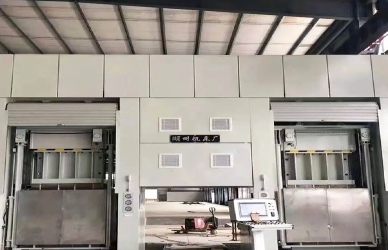
Applications of Hydraulic Forming Presses in Various Industries
1. Automotive Industry
In the automotive industry, hydraulic presses form body panels, structural components, and high-strength parts. They are crucial for producing complex shapes in steel and aluminum, ensuring durability and precision in components like door panels and chassis parts.
2. Aerospace Industry
Hydraulic presses are essential in the aerospace industry for shaping precision parts like wings and turbine blades. Their ability to apply uniform pressure ensures high-quality, strong components with complex geometries that meet stringent aerospace standards.
3. Consumer Electronics and Metalworking
Hydraulic presses are used in consumer electronics to form small, intricate parts like connectors and casings with high precision. In metalworking, they shape durable parts such as industrial tools and machine components, offering strength and accuracy.
Benefits of Hydraulic Forming Presses in Industrial Applications
1. High Precision with Complex Parts
Hydraulic forming presses are ideal for creating parts with tight tolerances and intricate geometries. The controlled pressure and uniform force distribution ensure high accuracy, even for complex shapes or deep draws. This makes hydraulic presses invaluable in industries such as automotive and aerospace, where precision is critical for both performance and safety.
2. Reduced Material Waste
One of the significant advantages of hydraulic forming presses is their ability to reduce material waste. The precision of the forming process means less scrap material, which leads to substantial cost savings. By ensuring that the material is shaped exactly as required, hydraulic presses optimize material use, helping companies reduce production costs and enhance sustainability.
3. Enhanced Operational Efficiency
Hydraulic presses improve operational efficiency by providing consistent force application throughout the forming process. This consistency reduces error margins and ensures that parts are produced more reliably. The precision also allows for faster cycle times without compromising quality, resulting in faster, more reliable production. This efficiency is especially important in industries requiring high-volume production runs, where minimizing downtime is crucial.
Conclusion
Hydraulic forming presses are essential in modern manufacturing, offering a combination of precision, strength, and versatility. They enable the production of complex shapes with high accuracy and can handle tough materials, making them invaluable across various industries.
Understanding the science behind hydraulic systems helps improve manufacturing outcomes by ensuring the right pressure and tonnage for optimal results. This leads to better efficiency and higher-quality production.
To maximize the benefits of hydraulic forming presses, consult experts like Huzhou Machine Tool Works Co., Ltd. for guidance on selecting and optimizing the right solutions for your specific needs.


