A free forging hydraulic press is an essential piece of equipment in heavy industry, particularly in metalworking and manufacturing. It plays a crucial role in shaping and forming metals by applying controlled pressure, making it indispensable for industries like automotive, aerospace, and heavy machinery. Unlike other types of presses, a free forging hydraulic press offers flexibility in processing complex shapes and materials, ensuring high precision and repeatability. These presses are designed to handle heavy loads, making them ideal for large-scale production runs. In this guide, we will explore the key factors to consider when choosing a free forging hydraulic press, the various options available, and the benefits they offer to industries that require robust and efficient forging solutions. Whether you're in the market for a new press or looking to optimize your current operations, understanding these essential details will help you make an informed decision.
What is a Free Forging Hydraulic Press?
A free forging hydraulic press is a machine used to shape metal by applying high hydraulic pressure. It is widely used in industries like automotive, aerospace, and heavy machinery. The "free" in free forging means that the metal is not confined by a die, allowing for more flexibility in shaping complex parts.
1.Working Principle of a Free Forging Hydraulic Press
The press operates by using a hydraulic system that generates force. A piston, powered by hydraulic fluid, applies pressure to the heated metal, shaping it into the desired form. The precise control of force allows for accurate and repeatable results.
2.Comparison with Other Types of Hydraulic Presses
Stamping Presses: Used for producing flat components by applying force to a sheet of metal in a die, unlike free forging presses, which shape metal without a die.
Extrusion Presses: Used for shaping materials by forcing them through a die, typically producing continuous shapes like pipes, whereas free forging presses deform solid metal pieces into various forms.
3.Key Components of a Free Forging Hydraulic Press
Hydraulic System: Powers the press and generates force.
Cylinders: Apply force to the metal during the forging process.
Control System: Manages parameters like pressure and stroke for precision and repeatability.
Key Considerations When Choosing a Free Forging Hydraulic Press
1. Required Force: Determining Pressure and Tonnage
The required force depends on the material and size of the workpiece. Larger or denser metals, like steel, require higher tonnage for proper deformation.
2. Work Table Size and Capacity
The press's work table must be large enough for the workpiece. Larger parts, common in industries like aerospace, need a bigger press with a higher capacity.
3. Automation Level
Presses can range from manual to fully automated. Automated presses offer greater efficiency and consistency, ideal for high-volume production.
4. Accuracy and Repeatability
Accuracy in pressure, speed, and stroke control is essential for producing consistent, high-quality parts. Look for presses with precise control systems for repeatable results.
5. Energy Efficiency and Environmental Impact
Energy-efficient hydraulic presses can lower energy costs and reduce environmental impact. Consider options with regenerative systems or variable-speed pumps.
6. Durability and Maintenance
Ensure the press is durable and easy to maintain. High-quality components and accessible parts reduce maintenance time and repair costs, extending the press's lifespan.
Types of Free Forging Hydraulic Presses for Heavy Industry
1.Single-Column vs. Double-Column Designs
Single-Column Presses: These presses have one vertical column that supports the hydraulic cylinder and ram. They are typically more compact and easier to maintain but have limitations in handling larger loads or sizes. Single-column presses are ideal for small to medium-sized forging operations where space and cost efficiency are priorities.
Double-Column Presses: Featuring two vertical columns, double-column presses are designed for higher loads and larger workpieces. They offer greater stability and strength, making them suitable for heavy-duty applications. While they require more space and are often more expensive, double-column presses are ideal for industries that require high tonnage and large-sized parts, such as the aerospace or automotive sectors.
2.Selecting Presses Based on Industry Requirements
Automotive Industry: In automotive manufacturing, free forging hydraulic presses are used to produce components like engine blocks, axles, and gears. The press must have high force capabilities and precision for producing durable, high-strength parts.
Aerospace Industry: Aerospace manufacturing requires high-precision parts for components like turbine blades, structural frames, and engine components. In this case, the press needs to provide extreme accuracy and consistency, as well as accommodate lightweight yet high-strength materials, such as titanium and aluminum alloys.
Heavy Machinery & Industrial Equipment: For heavy machinery, presses need to handle large, tough materials and create parts with complex geometries. Double-column presses are typically used due to their increased capacity and precision, which are necessary for producing parts such as gears, shafts, and housings.
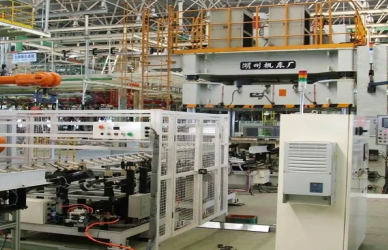
Advantages of Using Free Forging Hydraulic Presses in Heavy Industry
1.Efficiency and Consistency: Time and Cost Savings in the Forging Process
Free forging hydraulic presses offer significant time and cost savings by allowing for rapid and consistent production of high-quality components. The precise control over force and stroke length ensures that the material is evenly deformed, reducing material waste and enhancing process efficiency. This leads to lower production costs and faster cycle times, making it ideal for high-volume manufacturing operations.
2.Flexibility and Adaptability: Handling a Variety of Metal Materials and Complex Shapes
One of the key advantages of free forging hydraulic presses is their ability to handle a wide range of metal materials, including steel, titanium, aluminum, and alloys, as well as complex part geometries. Unlike stamping or extrusion presses, which require dies for specific shapes, free forging presses can shape materials into various forms without being confined to a die, offering superior flexibility and adaptability for custom and specialized parts.
3.Safety: Ensuring Operator Safety Through Design Features
Operator safety is a top priority in the design of free forging hydraulic presses. Modern presses come equipped with safety features such as:
Emergency stop systems to prevent accidents in case of malfunction.
Safety shields and guards to protect workers from flying debris and high-pressure hazards.
Sensors and feedback systems to monitor and control pressure, ensuring that the press operates within safe limits.
How to Choose the Right Manufacturer for Your Forging Hydraulic Press
Choosing the right manufacturer for your free forging hydraulic press is crucial to ensure high-quality performance, long-term reliability, and excellent support. Here are the key factors to consider when selecting a manufacturer:
1. Evaluating the Manufacturer’s Experience, Technical Support, and After-Sales Service
Experience: A manufacturer with years of experience in producing forging hydraulic presses is likely to have a deeper understanding of the complexities involved in forging processes. Their expertise will ensure that the press meets industry standards and performs consistently.
Technical Support: Reliable technical support is essential for troubleshooting and optimizing your press. Choose a manufacturer that offers comprehensive technical assistance, including installation, operation guidance, and training for your staff. Ensure they provide support for both initial setup and future upgrades.
After-Sales Service: A strong after-sales service program is vital to ensure the longevity and performance of your press. This includes regular maintenance, emergency repairs, and spare parts availability. The manufacturer should also offer warranties and be able to quickly address any issues that may arise after purchase.
2. Quality Certifications and Industry Reputation
Quality Certifications: Ensure the manufacturer has relevant quality certifications, such as ISO 9001 or industry-specific certifications, which demonstrate their commitment to producing high-quality equipment that meets international standards.
Industry Reputation: A reputable manufacturer is more likely to provide reliable and durable equipment. Look for manufacturers with a proven track record in the forging industry, and check their standing with industry associations or regulatory bodies. Research customer reviews, testimonials, and industry rankings to gauge the manufacturer’s reputation.
3. Customer Cases and Customization Capabilities
Customer Cases: Review the manufacturer’s portfolio of past projects and customer case studies. This will give you insight into the types of industries they have worked with and the complexity of projects they can handle. Successful case studies from industries like aerospace, automotive, or heavy machinery are strong indicators of the manufacturer's ability to meet your requirements.
Customization Capabilities: If your operation requires specific features or tailored solutions, it's essential to choose a manufacturer that offers customization. Some manufacturers offer flexibility in designing presses that meet unique specifications, such as specialized tonnage, work table dimensions, or automated processes.
Frequently Asked Questions (FAQ)
1.How do I calculate the required tonnage for a free forging hydraulic press?
Multiply the material's flow stress by the area of the part being forged. For accuracy, consult an engineer or manufacturer.
2.What industries benefit most from using free forging hydraulic presses?
Automotive, aerospace, heavy machinery, and tooling industries benefit from the precision and strength these presses offer.
3.Can free forging hydraulic presses handle high-temperature metals?
Yes, they can forge metals like steel, titanium, and aluminum at elevated temperatures for improved deformation.
4.What are the most common maintenance issues with free forging hydraulic presses?
Common issues include hydraulic leaks, cylinder wear, control system failures, and overheating. Regular maintenance helps prevent these problems.
Conclusion
When selecting a free forging hydraulic press, it is crucial to consider factors such as required tonnage, work table size, automation level, and the materials being forged. The press should meet the specific needs of your industry, whether for automotive, aerospace, or heavy machinery. Ensuring precision, flexibility, energy efficiency, and ease of maintenance will contribute to long-term operational success. Choosing the right press based on these considerations is vital for maximizing efficiency, reducing costs, and achieving consistent, high-quality results in your forging operations.


