Die forging is a critical manufacturing process used to shape metal into durable, high-strength components that are essential in industries like automotive, aerospace, and energy. With the increasing demand for precision, faster production times, and cost efficiency, selecting the right die forging production line has become more crucial than ever. The right production line not only improves output quality and reduces waste but also directly impacts your factory’s overall efficiency and profitability. In this guide, we will explore the key considerations and factors to help manufacturers choose the ideal die forging production line for their specific needs, ensuring that their operations can meet growing demands while optimizing costs and resources.
Key Factors to Consider When Selecting a Die Forging Production Line
1.Type of Forging Process: Open Die vs. Closed Die Forging
Choosing between open die forging and closed die forging depends on your production needs. Open die forging suits large, custom parts with low-volume production, while closed die forging is ideal for high-volume, precise components, offering better accuracy and less waste.
2.Automation Level: Manual, Semi-Automated, or Fully Automated Systems
The level of automation affects efficiency and costs. Manual systems are flexible but labor-intensive. Semi-automated systems balance labor and automation, while fully automated systems offer the highest speed, precision, and consistency but at a higher initial cost.
3.Precision and Tolerances: What Level of Accuracy Is Needed for Your Parts?
If your parts require high precision, such as in aerospace or automotive industries, you'll need a system that delivers tight tolerances. Closed die forging and automation are best for high-precision needs, while open die forging is suitable for less stringent requirements.
4.Cycle Time and Throughput: Matching Production Speed with Demand
Faster cycle times increase throughput, but must be balanced with quality. Match the speed of production with your demand, whether it’s high-volume or low-volume. Automated systems provide the fastest cycles, but quality control remains crucial.
5.Cost and Budget: Initial Investment vs. Long-Term Cost-Efficiency
While automated systems have a higher initial cost, they offer long-term savings through lower labor costs and increased throughput. Manual and semi-automated systems have lower initial costs but may not offer the same efficiency gains.
Choosing Between Open Die and Closed Die Forging
1.Open Die Forging: Benefits and Ideal Use Cases
Open die forging involves shaping the metal between flat or simple dies without enclosed cavities, offering great flexibility. It’s best for producing large, custom parts with complex geometries or low-volume runs. This process is ideal for applications where parts do not require extremely tight tolerances or high repeatability. Common use cases include heavy machinery, large shafts, and forgings for industries such as energy and defense. The key benefits of open die forging are flexibility, adaptability to different materials, and lower tooling costs, making it a cost-effective solution for specialized or one-off parts.
2.Closed Die Forging: Benefits and When It's Best Suited for High-Volume Production
Closed die forging, on the other hand, involves shaping the material within a set of precisely designed dies, which results in high precision and tighter tolerances. This method is best suited for mass production of small to medium-sized parts that require consistent quality and tight dimensions. Industries like automotive, aerospace, and medical equipment rely on closed die forging for parts such as gears, engine components, and fasteners. The main benefits include higher precision, reduced material waste, and the ability to produce large quantities of identical parts efficiently. However, closed die forging requires higher initial investment in tooling and dies, making it more suitable for high-volume production where cost-efficiency from mass production offsets the upfront costs.
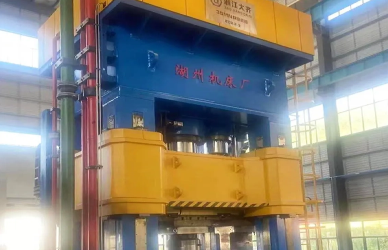
Automation vs. Manual Systems
1.Benefits of Automated Systems: Speed, Precision, and Cost Savings
Automated systems provide significant advantages in speed, precision, and overall cost-efficiency. Automation reduces cycle times, allowing for faster production rates and higher throughput. Robotic arms, automated presses, and AI-driven controls ensure consistent quality and precision, minimizing human error and variation. This leads to better product consistency and fewer defects. Over time, the reduction in labor costs, improved production efficiency, and higher throughput result in significant cost savings. Automation is ideal for high-volume production where speed, accuracy, and low labor costs are paramount.
2.Advantages of Manual or Semi-Automated Systems: Flexibility and Lower Initial Cost
Manual or semi-automated systems offer more flexibility, making them suitable for low to medium production volumes or custom orders. These systems are easier to adapt for producing a variety of parts, especially when product designs change frequently or are highly specialized. Manual systems typically require a lower initial investment and less complex setup, making them a more affordable option for smaller operations or those just starting. Semi-automated systems can still provide some level of consistency and precision while allowing for greater human control in complex tasks.
Cost-Benefit Analysis and ROI Considerations
1.How to Evaluate the Upfront Investment Against Long-Term Savings
When selecting a die forging production line, it’s crucial to evaluate the upfront investment in the context of long-term savings. Automated systems generally require a higher initial investment due to the cost of equipment, installation, and training. However, these systems bring significant cost reductions over time. Labor savings from reduced manual intervention, increased throughput from faster production cycles, and lower material waste from precision technology all contribute to ongoing savings. To evaluate the financial impact, compare the total cost of ownership (including initial investment, maintenance, and operating costs) against the expected increased efficiency, higher output, and reduced errors. The larger the production scale, the more cost-effective automation becomes over time.
2.Calculating ROI Based on Throughput, Cycle Time, and Efficiency Gains
ROI (Return on Investment) can be calculated by comparing the gains in throughput, cycle time, and efficiency against the costs. Key factors to consider include:
Throughput: The number of units produced within a specific time frame. Increased throughput from automation translates into higher revenue generation.
Cycle Time: The time it takes to complete one production cycle. Automation typically reduces cycle time, leading to more parts produced in less time and increasing overall capacity.
Efficiency Gains: The reduction in waste, downtime, and errors. Automation improves overall operational efficiency, resulting in fewer reworks and a more streamlined process.
3.Assessing Long-Term Financial Impact and Payback Period
After calculating the immediate ROI, it’s essential to assess the long-term financial impact and determine how quickly the initial investment will be recouped. The payback period is a useful metric to gauge how fast the savings from automation will offset the upfront costs. A shorter payback period indicates quicker profitability. Additionally, sustained efficiency gains and reduced operational costs beyond the initial payback period contribute to a stronger return, making the investment more worthwhile as the production line continues to perform optimally.
FAQ (Frequently Asked Questions)
1.What factors should I consider when choosing a die forging production line?
When selecting a die forging production line, it’s essential to consider factors like production volume, the types of materials you will be forging, the precision required for your parts, the automation level needed, and the cost-efficiency of the system. Matching these factors with your factory’s specific goals and capacity requirements will ensure you select the right equipment that enhances productivity and minimizes waste.
2.How do I decide between open die and closed die forging?
Open die forging is best suited for large, custom parts or low-volume production where flexibility is key, and precision requirements are less stringent. Closed die forging, however, is ideal for high-volume production of smaller parts that require tight tolerances and high precision. If you are producing high quantities of identical parts with stringent quality standards, closed die forging would be the more suitable choice.
3.Is it better to automate or stick with manual systems for my forging line?
Automation offers significant advantages in speed, consistency, and precision, reducing labor costs and improving throughput. However, it comes with a higher initial cost and might not be suitable for low-volume or highly customized production. Manual or semi-automated systems are more flexible, with lower upfront costs, and are often preferred for smaller production runs or when frequent product changes are required. The decision should depend on your production volume, part complexity, and budget.
4.How do I calculate ROI for a die forging production line?
To calculate ROI (Return on Investment), factor in the initial investment costs, including equipment, installation, and training. Then, account for the savings in labor, material waste, and downtime, along with improvements in throughput and cycle times. The increase in production efficiency, higher part quality, and the reduction in rework or defects will also contribute to long-term savings. By comparing these long-term gains against the upfront investment, you can accurately gauge ROI and determine the financial benefits of automation.
Conclusion
In conclusion, selecting the right die forging production line involves carefully considering several key factors, such as the type of forging process (open die vs. closed die), the level of automation, required precision, production speed, and budget. It’s important to align these elements with your factory’s specific needs, whether that’s high-volume production, custom parts, or flexibility in manufacturing. By evaluating the upfront investment against long-term savings, calculating ROI based on throughput and efficiency gains, and understanding your production goals, you can make an informed decision that enhances both productivity and profitability. Ultimately, the right production line should optimize operational efficiency, minimize costs, and position your factory for future growth and success.


