Die Forging is a crucial manufacturing process that shapes metal into high-strength components used in a wide range of industries, including automotive, aerospace, energy, and defense. This process is known for producing parts that require exceptional durability and performance under demanding conditions. As the need for precision and high-volume production increases, the importance of maximizing efficiency in die forging production lines has never been more critical. Inefficient operations not only lead to costly downtime but can also compromise the quality and consistency of the final products. With the growing pressures of competitive markets and tighter deadlines, manufacturers must focus on optimizing their processes to ensure maximum output, exceptional quality, and minimal material waste. In this article, we’ll delve into the top 5 efficiency hacks that can transform a high-output die forging production line. By applying these strategies, manufacturers can enhance resource utilization, reduce operational costs, and better meet the increasing demand for high-quality forged components, ultimately improving both productivity and profitability.
Hack 1: Optimize Material Heating and Temperature Control
1.Importance of Proper Material Heating for Reducing Forging Defects
Proper material heating is essential in die forging because the temperature of the metal significantly impacts its flow characteristics and the final part’s quality. If the material is too cold, it may not flow properly into the die, leading to incomplete filling, cracks, or fractures. On the other hand, overheating can cause excessive grain growth or unwanted chemical changes, weakening the final product. Achieving the ideal temperature ensures that the material is malleable enough to be forged into the desired shape without compromising strength or integrity.
2.Techniques to Maintain Consistent Temperatures and Prevent Overheating or Underheating
Maintaining a consistent temperature throughout the forging process is critical for precision and quality. Key techniques to achieve this include:
Temperature Monitoring: Installing sensors on the material and dies to continuously monitor temperature throughout the forging process. This data helps ensure that the material stays within the optimal temperature range, reducing the risk of defects.
Heat Soak and Preheating: For certain materials, preheating and heat soaking can ensure that the temperature is evenly distributed across the entire workpiece before forging begins, leading to better flow characteristics and reduced thermal stress.
Adaptive Control Systems: Modern adaptive control systems can automatically adjust heating times and temperatures based on real-time readings, preventing overheating or underheating and ensuring that the material reaches and maintains the required temperature during forging.
3.Use of Advanced Heating Technologies Like Induction Heating for Better Control
Induction heating is one of the most advanced and precise methods for heating materials in die forging. Unlike conventional furnaces, induction heating uses electromagnetic fields to heat the material directly, offering several benefits:
Rapid Heating: Induction heating heats the material more quickly and evenly than conventional methods, reducing the time required for preheating and enabling faster production cycles.
Localized Heating: Induction can target specific areas of a part for heating, ensuring that only the necessary portions of the material reach the optimal temperature while minimizing energy waste.
Better Control: The ability to finely control the heating process leads to more consistent material temperatures, improving the overall quality of the forged part.
Hack 2: Invest in High-Quality, Durable Dies
1.The Role of Die Quality in Preventing Defects and Downtime
High-quality dies are essential for producing consistent, defect-free parts. Poor-quality or worn dies can cause dimensional inaccuracies, surface defects, and part failure. They also lead to increased downtime for repairs, disrupting production. Durable dies maintain their integrity over time, reducing defects and minimizing unplanned maintenance.
2.How Durable Dies Reduce Maintenance Costs and Improve Production Rates
Investing in durable dies lowers maintenance costs by reducing the frequency of die replacements and repairs. Well-maintained dies ensure a smooth forging process, improving production efficiency and consistency. Fewer defects and rework mean higher production rates, helping manufacturers meet deadlines without compromising quality.
3.Choosing the Right Material and Design for Long-Lasting Dies
Material selection and design are critical for die durability. High-carbon steels, tool steels, and alloys like H13 are ideal for resisting wear and heat. Additionally, a well-designed die with optimized cooling channels, friction-reducing coatings, and modular components ensures longevity and easier maintenance.
Hack 3: Automate Pressing and Handling Operations
1.The Impact of Automation on Reducing Human Error and Increasing Production Speed
Automation in die forging significantly reduces the potential for human error, ensuring consistent results and higher product quality. By automating repetitive tasks like material handling, loading, and unloading, the production process becomes faster and more efficient. This reduces the likelihood of mistakes, improves precision, and allows for round-the-clock operation, increasing overall production speed.
2.Overview of Automated Systems in Die Forging
Automated systems in die forging include robotic arms for material handling, which can efficiently move and position workpieces with high accuracy. These robots can work at faster speeds than humans, reducing the time between forging cycles. Additionally, automated systems can handle materials of various shapes and sizes, making it easier to scale production without compromising precision.
3.Benefits of Integrating Automated Presses for Consistent, High-Speed Operations
Integrating automated presses into the forging process enhances speed and consistency. Automated presses provide continuous, precise force application, ensuring that every part is shaped identically without variability. This high-speed operation not only increases throughput but also minimizes the risk of delays or errors. As automated systems maintain consistent performance, manufacturers can achieve better cycle times, higher production rates, and more reliable quality.
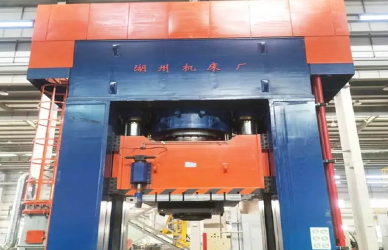
Hack 4: Implement Predictive Maintenance for Equipment
1.Importance of Keeping Forging Equipment in Top Condition to Avoid Costly Downtimes
Forging equipment is subject to high stress during operation, making it prone to wear and tear. Keeping this equipment in optimal condition is critical to prevent unexpected breakdowns, which can result in costly downtime and production delays. Regular maintenance is essential, but relying on reactive approaches can lead to extended downtime, expensive repairs, and significant loss in production output.
2.How Predictive Maintenance Uses Data to Predict and Prevent Failures
Predictive maintenance uses advanced data analytics and machine learning algorithms to monitor the condition of forging equipment in real-time. By collecting data from sensors installed on equipment—such as temperature, vibration, and pressure—predictive systems can identify patterns that indicate potential failures before they happen. This data-driven approach allows manufacturers to schedule maintenance at the most opportune time, reducing unplanned stoppages and avoiding expensive emergency repairs.
3.Benefits of Implementing Condition Monitoring and Advanced Diagnostic Tools
Reduced Downtime: Predictive maintenance allows for timely repairs, meaning machines can be serviced before a failure occurs, minimizing unexpected downtime.
Cost Savings: By identifying issues early, businesses can address smaller, less expensive problems before they escalate, leading to significant cost savings on repairs and replacements.
Improved Equipment Lifespan: Regular and proactive maintenance extends the lifespan of forging equipment, ensuring long-term productivity and reliability.
Optimized Maintenance Scheduling: With condition monitoring, maintenance can be done based on the actual wear of the equipment, rather than on fixed schedules, optimizing labor and resources.
Hack 5: Streamline Workflow and Improve Shop Floor Organization
1.How Improving Workflow and Shop Floor Organization Can Reduce Production Delays
An organized workflow is essential for minimizing delays in production. Poor organization leads to bottlenecks, unnecessary movement, and wasted time. Streamlining operations ensures smoother transitions between stages, improving overall productivity and reducing downtime.
2.Importance of Clear Material Flow, Proper Tool Placement, and Minimizing Non-Productive Time
Efficient material flow ensures smooth movement of materials between production stages with minimal handling. Proper tool placement reduces downtime spent searching for tools, while minimizing non-productive time (idle machines, waiting for materials) optimizes forging time.
3.Tips for Layout Optimization and Reducing Unnecessary Movement
Work Cell Design: Arrange equipment and tools in logical sequences to reduce material travel time.
Visual Management: Use labels and color coding to help workers easily locate tools and materials.
Automated Material Handling: Implement conveyors or robotic systems to speed up material movement and reduce manual handling.
Lean Principles: Apply 5S (Sort, Set, Shine, Standardize, Sustain) and Kaizen for continuous workflow improvement and space optimization.
FAQ (Frequently Asked Questions)
1.How can optimizing material heating improve die forging efficiency?
Proper material heating ensures uniform metal flow, reducing defects and allowing for smoother, faster production with fewer rejections.
2.Why are durable dies important in a high-output production line?
High-quality, durable dies reduce wear and tear, lowering maintenance costs and preventing production stoppages, thus improving overall output.
3.What are the key benefits of automating die forging processes?
Automation enhances consistency, reduces human error, speeds up production, and ensures more precise parts, leading to higher efficiency and throughput.
4.How does predictive maintenance contribute to better production efficiency?
Predictive maintenance allows manufacturers to identify potential equipment failures before they happen, minimizing downtime and maximizing productivity.
Conclusion
In summary, the top 5 efficiency hacks for a high-output die forging production line—optimizing material heating, investing in durable dies, automating pressing and handling, implementing predictive maintenance, and streamlining workflow—are all crucial for enhancing productivity and reducing costs. By applying these strategies, manufacturers can improve the precision and consistency of their forging operations, minimize downtime, and reduce material waste. These improvements not only boost production rates but also contribute to cost savings over time. Continuously optimizing the die forging process through these techniques ensures a more efficient, reliable, and competitive production line, helping businesses meet growing demand while maintaining high-quality standards.


