The management and disposal of nuclear waste is one of the most challenging aspects of nuclear energy production. Nuclear waste consists of materials that have been irradiated or contaminated with radioactive substances, making them potentially harmful to human health and the environment. Proper handling, storage, and disposal of nuclear waste is crucial to ensure safety. One important process in managing nuclear waste is compaction, a technique used to reduce the volume of waste, making it easier and safer to store and transport. In this article, we’ll explore what compaction of nuclear waste is, how it works, its benefits, and the different methods used in this process.
What is Nuclear Waste?
Before diving into compaction, it’s essential to understand what nuclear waste is and why it’s hazardous. Nuclear waste is generated by activities such as nuclear power generation, research, medical treatments, and even the military. The waste is divided into three main categories:
Low-level waste (LLW): This type of waste contains small amounts of radioactive material. Examples include contaminated clothing, cleaning materials, or equipment used in nuclear power plants. LLW makes up the largest portion of nuclear waste and is often disposed of in landfills or shallow burial sites after appropriate treatment.
Intermediate-level waste (ILW): This waste contains higher levels of radioactivity than LLW and often requires shielding during handling and storage. Examples include reactor components, resins, and waste from chemical treatments. ILW is typically stored in specially designed facilities that can shield and contain the radioactivity.
High-level waste (HLW): This is the most dangerous and radioactive type of waste, typically produced by the spent fuel from nuclear reactors. HLW generates significant heat and can remain radioactive for thousands of years. It requires specialized handling, cooling, and storage, and is usually stored in deep geological repositories to prevent exposure to humans and the environment.
Since nuclear waste can remain hazardous for thousands of years, finding ways to safely manage it is critical. Compaction is one of the techniques used to reduce the volume of waste, particularly low- and intermediate-level waste.
What is Compaction of Nuclear Waste?
Compaction is the process of reducing the volume of nuclear waste by applying mechanical pressure to it. This pressure forces the waste materials into a denser, smaller volume, which helps in several ways:
Volume reduction: By compacting the waste, the overall volume is reduced, making it easier to store and transport.
Improved storage: Compacting the waste allows for more efficient use of available space in storage facilities, which is crucial for long-term management.
Safety: Compaction helps stabilize the waste, reducing the likelihood of leakage or contamination during storage.
Cost-effectiveness: By reducing the volume of waste, compaction helps lower storage and transportation costs.
The process of compaction is typically applied to solid nuclear waste materials, such as contaminated metals, plastics, or resins. The goal is to create a dense, stable form of waste that can be safely stored for the long term.
How Does the Compaction Process Work?
The compaction process involves applying mechanical force to waste materials to reduce their volume. The method used depends on the type of waste and the specific compaction technology available. Here are the general steps involved in compaction:
1. Preparation of Waste Material
Before the compaction process begins, the waste material must be prepared. For example, solid nuclear waste may need to be separated into smaller pieces to ensure that the compaction process is effective. In some cases, the waste may need to be treated to remove liquids or hazardous substances, as these could interfere with the compaction process.
2. Compaction of Waste
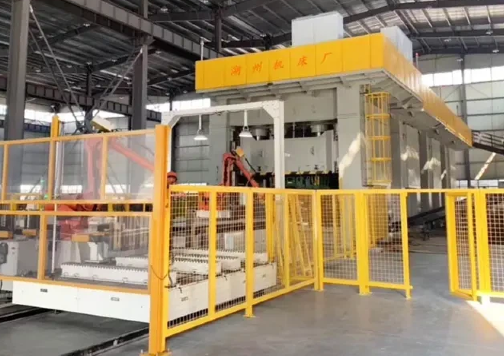
Once the waste material is prepared, it is placed in a compaction chamber or container. This chamber is typically a metal box or cylindrical structure where pressure is applied. The compaction machine, often a hydraulic press, uses a piston or plunger to apply high pressure to the waste. This force compresses the material, reducing its volume.
The amount of pressure applied depends on the type of waste and the desired density. For example, metal waste may require more pressure than plastic or fabric materials to achieve the same level of compaction.
3. Removal of Compact Waste
After the compaction process is complete, the waste is removed from the compaction chamber. The resulting compacted waste will have a much smaller volume than before, making it easier to handle, store, and transport. Depending on the type of waste, it may be packaged in secure containers, such as drums or canisters, for further storage.
4. Storage and Disposal
The compacted waste is then stored in designated facilities for long-term disposal. High-level waste, for example, may be stored in deep geological repositories, where it can be safely contained for thousands of years. Low- and intermediate-level waste may be stored in specially designed facilities that provide adequate shielding and containment.
Methods of Compaction for Nuclear Waste
There are several different methods of compaction used for nuclear waste, each designed to handle specific types of waste materials. Some of the most common methods include:
1. Mechanical Compaction
Mechanical compaction is the most common method used in nuclear waste management. It involves the use of a hydraulic press or a mechanical compactor to apply pressure to the waste material. These machines use pistons or plungers to compress the waste, which helps to reduce its volume.
Mechanical compaction is effective for compacting solid materials such as contaminated metals, plastics, or cardboard. The resulting compacted waste is typically stored in containers like drums or boxes.
2. Briquetting
Briquetting is a specific type of compaction that involves compressing the waste into small, dense blocks or briquettes. This method is often used for materials like metal chips or dust generated from nuclear reactors. Briquetting presses work by applying pressure to the waste and molding it into small, manageable blocks that can be easily stored and transported.
Briquetting is particularly useful for high-density waste, as it helps reduce the overall volume while maintaining the integrity of the waste material. The compacted briquettes can then be stored in containers for long-term disposal.
3. Incineration (Combining Heat and Pressure)
In some cases, compaction is combined with other processes, such as incineration, to reduce waste volume even further. Incineration involves burning waste at high temperatures to reduce its mass and volume. When combined with compaction, incineration can significantly reduce the amount of waste that needs to be stored. The remaining ash can then be compacted for more efficient disposal.
This process is commonly used for low-level waste, such as contaminated clothing, paper, and plastic, which can be burned safely in specialized incinerators.
4. Compaction of Radioactive Liquids
While most compaction processes are used for solid waste, some methods can be adapted for radioactive liquids. In these cases, the liquids are often absorbed into absorbent materials or solidified into a more manageable form before being compacted. This helps to reduce the volume of liquid waste and make it easier to store.
Solidification and compaction of radioactive liquids are essential for ensuring that the waste can be safely contained and disposed of without posing a risk to the environment.
Benefits of Compaction for Nuclear Waste
The compaction of nuclear waste provides several significant benefits for waste management and disposal. Some of the key advantages include:
1. Volume Reduction
The primary benefit of compaction is the reduction in volume. By compressing waste materials, compaction allows for more efficient use of storage space, reducing the need for large, costly storage facilities. This is particularly important for low- and intermediate-level waste, which can make up the majority of nuclear waste produced.
2. Safety and Containment
Compaction helps to stabilize the waste and ensures that it remains securely contained. When waste is compacted into small, dense blocks or briquettes, it is less likely to leak or contaminate the surrounding environment. This makes it safer for long-term storage in repositories or disposal sites.
3. Improved Handling and Transport
Compacted waste is easier to handle and transport. The reduced volume allows for more efficient packaging and shipping, which can lower transportation costs. It also makes it easier to store waste in secure containers, reducing the risk of accidents or spills.
4. Cost-Effective
Compaction helps reduce the overall costs associated with nuclear waste management. By reducing the volume of waste, it lowers the need for extensive storage facilities, transportation, and long-term containment measures. This can result in significant cost savings for nuclear power plants and other facilities that generate nuclear waste.
5. Better Waste Processing Efficiency
The compaction process helps to prepare nuclear waste for the final disposal process, making it more efficient. The compacted waste takes up less space and is easier to manage, allowing for faster and more effective handling of the waste.
Challenges and Considerations in Compaction
While compaction offers many benefits, there are also some challenges and considerations to keep in mind:
1. Types of Waste
Not all types of nuclear waste are suitable for compaction. Some waste materials, such as high-level waste (HLW), require more specialized handling and storage methods due to their high radioactivity and heat generation. These materials cannot be compacted in the same way as low- or intermediate-level waste and often require storage in deep geological repositories.
2. Handling Radioactive Materials
The compaction process itself involves handling radioactive materials, which can be hazardous. Strict safety protocols must be followed to protect workers and the environment. Specialized equipment and protective measures are required to ensure that workers are not exposed to harmful radiation during the compaction process.
3. Long-Term Stability
Compaction can help reduce the volume of waste, but it does not address the long-term stability of the material. Some waste materials, particularly high-level waste, can remain radioactive for thousands of years. This requires additional long-term storage solutions, such as deep geological disposal, to ensure that the waste remains securely contained.
Conclusion
The compaction of nuclear waste is an essential process in managing and disposing of radioactive materials. By reducing the volume of waste, compaction makes it easier to store, handle, and transport nuclear waste while improving safety and reducing costs. Although the process is most commonly used for low- and intermediate-level waste, it is also adapted to handle certain forms of liquid waste and other materials.
While compaction offers many benefits, it is important to remember that it is just one part of the nuclear waste management process. High-level waste, which remains highly radioactive for thousands of years, requires specialized disposal techniques and long-term containment strategies. Nevertheless, compaction remains a vital step in ensuring the safe and efficient management of nuclear waste, helping to minimize its impact on the environment and public health.


