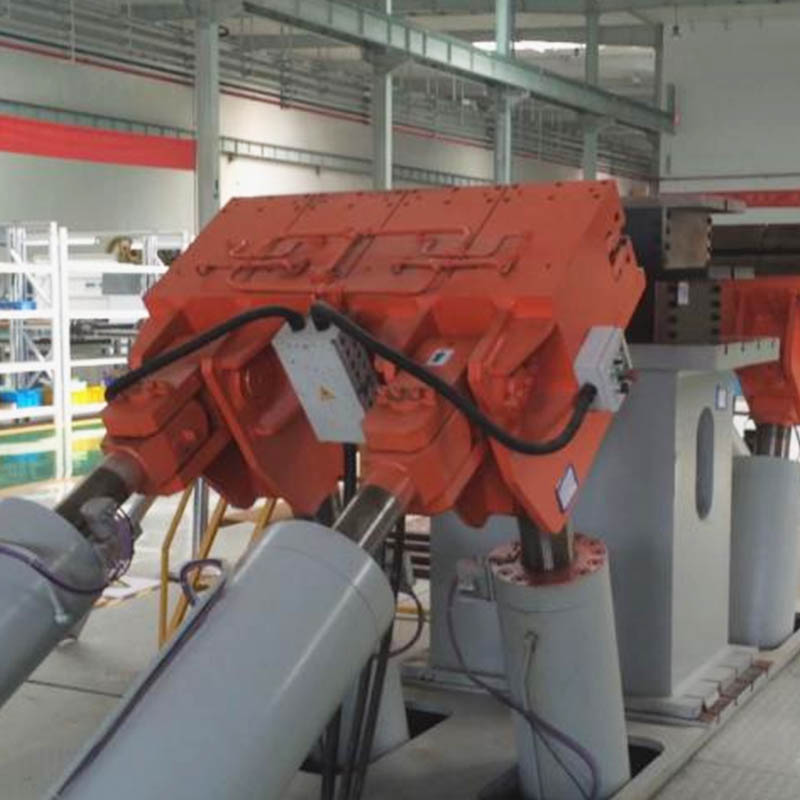
The unforgiving tolerances of aerospace manufacturing mean that forming large fuselage or wing panels carries a high risk of material scrap, structural compromise, and escalating production costs. Balancing high-precision aerodynamic requirements with production efficiency becomes extremely difficult when shaping advanced alloys prone to springback and work hardening. Standard metalworking equipment and manual hand-forming techniques simply cannot meet these demands without prohibitive tooling expenses and inconsistent quality. Evaluating and specifying the right equipment requires a rigorous analysis of forming technologies, press kinematics, CNC capabilities, and facility readiness. Manufacturers must align these technical specifications with production goals to ensure long-term return on investment and strict AS9100 compliance. We will break down the mechanical requirements, facility preparations, and operational strategies needed to successfully integrate these massive machines into your production line.
Tooling Strategy Dictates Press Selection: Utilizing stretch forming technology drastically reduces tooling costs for large, contoured aircraft skins by requiring only a single-sided male die.
Precision Control is Non-Negotiable: Advanced CNC controls and multi-axis tension capabilities are mandatory for managing yield points, balancing stretching and shrinking forces, and minimizing springback in aerospace-grade materials.
Hidden Implementation Costs: The overall financial commitment extends far beyond the machine's purchase price, heavily influenced by foundation engineering, installation downtime, and preventative maintenance requirements.
Supplier Vetting is Critical: Partnering with a proven stretching hydraulic press manufacturer requires auditing their track record with aerospace tolerances, remote diagnostic capabilities, and post-installation support networks.
The Unique Demands of Aircraft Skin Forming
Overcoming Material Springback and Work Hardening
Aerospace-grade aluminum and titanium exhibit complex metallurgical behaviors during cold deformation. When operators bend these metals, the material naturally attempts to return to its original flat state due to elastic recovery. This springback effect ruins aerodynamic contours and forces structural parts out of tolerance. Standard stamping or bending presses fail here because they only apply localized pressure. They cannot control the internal stresses distributed across a large, sweeping panel.
Stretching metal beyond its yield point solves this fundamental problem. When a machine pulls the sheet into the plastic deformation zone, it permanently sets the new shape and alters the grain structure. This tension eliminates residual stresses trapped inside the alloy. It also prevents the uncontrolled shrinking and wrinkling common in complex convex or concave geometries. By keeping the material under constant tension during the wrapping process, the metal conforms perfectly to the die surface without buckling.
Aerospace Alloy
Typical Yield Strength (MPa)
Springback Severity
Forming Challenge
Aluminum 2024-T3
345
Moderate
Prone to localized thinning if over-stretched.
Aluminum 7075-T6
503
High
Requires precise tension control to prevent tearing.
Titanium Ti-6Al-4V
880
Extreme
Demands high tonnage and slow forming speeds.
Operators must carefully monitor the yield point of each specific batch of material. Variations in the rolling process at the steel mill can cause slight deviations in yield strength. Advanced forming equipment accounts for these variations by measuring the actual resistance of the sheet during the initial tensioning phase and adjusting the hydraulic pressure accordingly.
Eliminating Manual Finishing and Bench Work
Manual hand-forming techniques rely heavily on operator skill and physical endurance. Bench presses, english wheels, and planishing hammers produce inconsistent results across production batches. This variability introduces unacceptable risks in aerospace manufacturing, where structural integrity is paramount. Hand-worked parts often suffer from localized thinning, micro-fractures, and surface galling that require extensive rework.
Integrating a dedicated aircraft skin forming press eliminates post-form planishing and manual corrections. Automated industrial systems deliver exact repeatability cycle after cycle. They drive down labor costs and drastically reduce inspection failure rates. Parts leave the machine ready for final trimming and assembly, bypassing the bottleneck of the manual finishing bench entirely.
The transition from manual bench work to automated forming also improves workplace ergonomics. Hand-forming large aluminum panels exposes workers to repetitive strain injuries and severe fatigue. Automating the heavy deformation process protects the workforce while simultaneously increasing the facility's overall throughput.
Success Criteria for Aerospace Applications
Aerospace forming operations must hit specific, measurable success metrics to remain viable. Facilities track these metrics rigorously to maintain their certifications and secure future contracts.
Repeatability: Facilities must maintain exact dimensional accuracy across long production runs. Structural components require identical geometries every cycle to ensure seamless assembly on the airframe.
Uniform Thickness: Material thinning must remain within strict aerospace tolerances. Excessive stretching compromises structural integrity, creates weak points, and alters the calculated weight distribution of the aircraft.
Surface Integrity: The forming process must minimize surface defects, galling, or localized scratching. Pristine surface conditions reduce post-forming finishing work and prevent the initiation of fatigue cracking during flight.
Grain Structure Stability: The deformation process must not introduce micro-voids or excessive work hardening that could lead to premature failure under cyclic flight loads.
Evaluating Aerospace Forming Press Technologies
Skin Stretching Hydraulic Press Systems
A skin stretching hydraulic press operates by gripping the sheet metal edges with heavy-duty serrated jaws. The machine applies longitudinal or transverse tension to pull the material beyond its yield point. Once the metal enters the plastic state, the press wraps the tensioned sheet over a contoured die block. This continuous tension prevents the inner radius from wrinkling while the outer radius stretches.
Engineers must evaluate press kinematics carefully. Upward-acting die tables push the tool up into the stationary stretched sheet. Downward-acting cylinders pull the sheet down over a stationary tool. These vertical and horizontal actions directly impact part handling, overhead crane requirements, and the overall facility footprint. These systems excel at producing large-radius, complex contoured panels. Primary applications include fuselage skins, leading edges, and engine nacelles.
The standard operational sequence for these machines follows a strict protocol to ensure material integrity:
Load the flat sheet metal into the opposing jaw assemblies and engage the hydraulic clamps.
Apply the initial pre-stretch tension to bring the material just past its yield point.
Actuate the die table or carriage to begin wrapping the material around the contoured tool.
Maintain closed-loop tension control during the wrap to prevent wrinkling or tearing.
Apply a final post-stretch to permanently set the aerodynamic shape and eliminate residual stress.
Release the hydraulic tension, unclamp the jaws, and remove the formed panel for trimming.
Fluid Cell and Rubber Pad Presses
Fluid cell presses utilize high-pressure hydraulic fluid or a thick, specialized rubber pad to force sheet metal over a single tool block. The polyurethane pad acts as a universal female die. Under extreme pressure, it flows like a fluid and conforms exactly to the shape of the male tool underneath, pressing the sheet metal into every crevice.
These machines work best for shallow draws and complex internal structural components like ribs, stringers, and frames. They suit low-volume, high-mix production environments perfectly because tooling changes are rapid. You simply place a new male tool on the table and cycle the machine. However, they carry strict limitations. Fluid cell systems face constraints regarding maximum part size and depth of draw compared to dedicated stretch forming equipment. They cannot wrap large fuselage panels effectively.
Traditional Industrial Stretching Hydraulic Press Configurations
Part geometry dictates the choice between linear and transverse stretching configurations. Longitudinal stretching pulls the material from the short ends. This configuration works perfectly for long, narrow extrusions, wing leading edges, or structural chords. Transverse stretching pulls the material from the long edges. This setup suits wide fuselage sheet panels that require sweeping, continuous curves.
Facilities must align machine architecture with varying panel dimensions and material yield strengths. An industrial stretching hydraulic press must possess adequate tonnage and bed size to handle the toughest alloys without stalling, deflecting, or losing grip pressure during the forming cycle. The frame must withstand immense horizontal forces without twisting, which requires massive steel weldments and heavy-duty tie rods.
Critical Specifications and Evaluation Dimensions
Tonnage, Stroke, and Bed Size Requirements
Accurate force calculations prevent under-sizing the equipment. Engineers calculate the required stretching force based on the material's maximum yield strength and its largest cross-sectional area. They must factor in the specific part dimensions, the friction coefficient of the die, and add a safety margin for harder alloy variations. Underpowered presses will stall before the material reaches the necessary plastic state, resulting in scrapped parts and wasted production time.
Future-proofing the investment requires careful sizing of the bed and daylight opening. Buyers should not just measure current platforms. They must anticipate future aircraft designs, larger panel integration, and the industry shift toward tougher titanium alloys. A press with a slightly larger bed and longer stroke provides the flexibility to take on diverse aerospace contracts in the future. You cannot easily retrofit a larger bed onto an existing machine frame.
Specification
Primary Function
Evaluation Criteria
Tonnage Capacity
Determines maximum pulling force.
Must exceed the yield strength of the thickest, hardest alloy planned for production by at least 20%.
Stroke Length
Dictates the maximum depth of the formed part.
Must accommodate the tallest die block plus clearance for part removal.
Bed Size
Limits the maximum physical footprint of the tooling.
Should accommodate the largest projected fuselage panel with room for jaw clearance.
CNC Integration and Multi-Axis Control
Modern aerospace forming demands closed-loop CNC systems. Real-time feedback loops are necessary to manage tension, jaw position, and die table movement simultaneously. Linear Variable Differential Transformer (LVDT) sensors measure cylinder positions to the micron. The control system adjusts hydraulic proportional valves instantly to keep the material in the optimal plastic state, preventing tears or wrinkles. Older manual valve systems cannot react fast enough to manage the dynamic changes in material resistance.
Data logging and traceability are equally important. Press software must record forming parameters for every single cycle, including peak tonnage, stretch rates, and hold times. This data ensures strict AS9100 compliance and simplifies root-cause analysis if a rejected part occurs during downstream inspection. When an auditor requests the forming history of a specific tail number, the CNC system must provide the exact pressure curves instantly.
Tooling Compatibility and Material Handling
High-mix facilities require Quick Die Change (QDC) systems to remain profitable. Automated or semi-automated die handling minimizes changeover downtime between different aircraft panels. Roller tracks, hydraulic clamps, and die lifters allow operators to swap massive tools safely and efficiently without waiting hours for overhead crane availability. A fast changeover keeps the spindle turning and the machine generating revenue.
Jaw design also impacts profitability. Curved gripping jaws match the contour of the die. This reduces the required grip allowance at the edges of the aircraft skin, saving expensive aerospace-grade material on every cycle. Straight jaws cost less upfront but waste more material during the final trimming phase. Over a five-year production run, the material savings from curved jaws easily pay for their higher initial manufacturing cost.
Investment Strategies and Conceptual Trade-Offs
Capital Expenditure vs. Tooling and Labor Savings
Procuring an aerospace forming press requires a high initial capital expenditure. However, buyers must analyze this against long-term, compounding savings. Stretch forming uses single-sided, low-cost tooling made from composite materials, polyurethane, or cast zinc alloys like Kirksite. This completely eliminates the massive expense and long lead times associated with machining matched P20 tool steel dies.
Manufacturers calculate the break-even point by projecting production volumes and scrap reduction. The complete elimination of manual hand-forming labor further accelerates the return on investment. Automated systems produce more acceptable parts per shift, reducing the cost-per-part dramatically over a five-year production run. When you factor in the reduction of scrapped titanium sheets, the financial justification becomes clear.
Custom-Engineered vs. Standardized Platforms
Extreme part complexity or tight facility constraints often justify the engineering costs of a fully custom bespoke press. Custom machines fit exact floor plans, navigate low ceiling heights, and handle unique proprietary alloys that standard machines cannot process. They offer tailored kinematics for highly specific airframe designs. If you are forming a radical new wing geometry, a custom machine is often the only viable path forward.
Alternatively, adapting a standard platform reduces lead times significantly. Custom builds can easily exceed 12 to 18 months from purchase order to commissioning. Standardized machines lower initial engineering costs, utilize proven hydraulic schematics, and get production lines running much faster. Buyers must weigh the need for specialized kinematics against the urgency of their production schedule.
Implementation Risks and Mitigation Strategies
Foundation Engineering and Facility Requirements
High-tonnage presses impose massive infrastructure demands on a manufacturing facility. Plants must handle extreme floor loading, construct deep foundation pits, and install heavy-duty vibration isolation systems. A poorly designed foundation will crack under the dynamic shock of a sudden material rupture, leading to severe machine misalignment. The concrete must withstand both the static weight of the machine and the violent dynamic forces generated during a part failure.
Mitigation requires engaging structural engineers during the early procurement phase. Do not wait until the purchase order is signed. Soil bearing capacity tests, rebar grid designs, and concrete curing times must run parallel to the machine's construction schedule. Proper epoxy grouting for the machine leveling pads ensures long-term accuracy. The installation sequence generally requires:
Core drilling and soil sampling to verify load-bearing capacity.
Excavating the pit and pouring the reinforced concrete retaining walls.
Installing vibration isolation pads at the designated load points.
Lowering the machine frame sections into the pit using heavy rigging equipment.
Applying high-strength epoxy grout to lock the leveling wedges in place.
Operator Training and Safety Protocols
Advanced CNC stretch forming equipment presents a steep learning curve. Operators must understand G-code programming, tension control, and metallurgical yield points. This differs drastically from operating basic stamping presses. Facilities must invest in comprehensive training programs to ensure operators can read the material's behavior and adjust parameters safely. A skilled operator knows how to read the tension curve on the HMI and intervene before a panel tears.
Safety integration is mandatory. High-tension snapback from a torn sheet can cause severe damage. Facilities must mandate light curtains, physical interlocked access gates, and emergency tension release mechanisms. These features protect operators from catastrophic material failure and keep the facility compliant with strict industrial safety regulations. Polycarbonate blast shields should surround the primary forming zone to catch flying debris.
Selecting a Hydraulic Press Stretching Machine Supplier
Vetting an OEM requires strict criteria. Buyers must focus strictly on verifiable case studies within the aerospace sector. A reliable hydraulic press stretching machine supplier understands AS9100 requirements, tight aerodynamic tolerances, and the specific behaviors of aviation alloys. They should provide references from other tier-one aerospace suppliers who run their equipment daily.
Assess the supplier's global service network and guaranteed spare parts availability. A premier stretching hydraulic press manufacturer provides remote VPN diagnostic capabilities. This allows their engineers to log into the machine's PLC, troubleshoot CNC faults instantly, and prevent prolonged production downtime without waiting for a field technician to arrive. Ensure they stock critical hydraulic components like servo valves and main cylinder seals in a regional warehouse.
Conclusion
Compile specific part drawings, material specifications, and volume projections to establish your baseline press requirements before contacting suppliers.
Request a detailed time-study and forming simulation from shortlisted OEMs to verify their tonnage calculations and kinematic approaches.
Audit the facility floor space and engage a structural engineer to design the foundation pit before finalizing the machine footprint.
Prioritize suppliers that offer robust closed-loop CNC architecture, remote diagnostics, and transparent operator training programs.
FAQ
Q: What is the typical lead time for a custom aerospace forming press?
A: Custom aerospace forming presses generally require a lead time of 12 to 18 months. This timeframe accounts for bespoke engineering, structural fabrication, hydraulic assembly, and rigorous factory acceptance testing before shipment.
Q: How does a skin stretching hydraulic press reduce tooling costs compared to standard stamping?
A: Stretch forming requires only a single-sided male die to shape the material. This eliminates the need for expensive, precision-machined matched male and female die sets used in standard stamping operations.
Q: What tonnage is required for forming titanium aircraft skins versus aluminum?
A: Titanium alloys possess significantly higher yield strengths than standard aluminum. Forming titanium typically requires presses with 30% to 50% more tonnage capacity to successfully push the material into its plastic deformation zone.
Q: How does automated stretch forming eliminate the need for manual hand-forming techniques?
A: Automated CNC stretch forming applies consistent, multi-axis tension to set the shape permanently. This eliminates springback and wrinkling, removing the need for manual planishing hammers or bench corrections.
Q: Can an older industrial stretching hydraulic press be retrofitted with modern CNC controls?
A: Yes. Many older industrial presses feature robust steel frames that remain structurally sound. Retrofitting them with modern closed-loop CNC controls, proportional valves, and new hydraulic power units restores precision and extends machine life.
Q: What are the foundation and pit requirements for a large-scale aircraft skin forming press?
A: Large presses require deep reinforced concrete pits, often exceeding 10 feet in depth, to house the lower hydraulic cylinders. The foundation must also include vibration isolation to absorb dynamic shock loads.
Q: How do you evaluate a hydraulic press stretching machine supplier for long-term post-sale support?
A: Evaluate suppliers based on their global service network, guaranteed spare parts availability, and remote diagnostic capabilities. Ensure they have a proven track record of supporting aerospace manufacturers with rapid troubleshooting and maintenance.