In the world of industrial manufacturing, one of the most crucial components to get right is the aluminum rotor. These rotors are used in a variety of applications, including electric motors, turbines, and automotive components. The process of casting these aluminum rotors requires precision and the right machinery. One of the most important pieces of equipment for this task is the hydraulic press. A hydraulic press is used in aluminum rotor casting to apply the necessary pressure and heat to mold the molten aluminum into the desired shape.
In this ultimate guide, we will discuss everything you need to know when selecting a hydraulic press for aluminum rotor casting, including the basic principles behind hydraulic presses, important specifications to consider, and factors to evaluate when choosing the right machine.
What is Aluminum Rotor Casting?
Aluminum rotor casting is a process used to produce aluminum rotors, which are essential in many industrial applications, particularly in electric motors. The process typically involves pouring molten aluminum into a mold (die casting) or forcing it under high pressure into the mold (squeeze casting). Hydraulic presses play a critical role in this process by applying the necessary pressure to form the rotor and ensuring that it meets the required dimensions and mechanical properties.
The casting process is designed to produce high-quality, durable aluminum rotors with minimal defects. However, to achieve the desired results, the hydraulic press used in the casting must provide precise control over pressure, temperature, and timing. The press must also be able to handle the physical demands of the casting process, including the need for large clamping forces and the ability to withstand the high temperatures associated with molten aluminum.
The Role of Hydraulic Presses in Aluminum Rotor Casting
A hydraulic press is a machine that uses hydraulic force (force exerted by pressurized fluid) to apply a compressive load to materials. In aluminum rotor casting, the hydraulic press is responsible for applying pressure to the molten aluminum to ensure that the metal fills the mold completely and solidifies without defects such as air pockets or shrinkage. The pressure also helps to reduce the porosity of the cast rotor, ensuring that it is strong and durable.
The hydraulic press used for casting aluminum rotors must meet several specific requirements:
Clamping force: The press must be able to hold the mold tightly closed during the casting process.
Injection pressure: The press must be capable of applying enough pressure to force molten aluminum into the mold and ensure that it fills the cavity completely.
Temperature control: The press must maintain the right temperature for the casting process, as the temperature of the mold can affect the quality of the final product.
Key Specifications to Consider When Selecting a Hydraulic Press
When selecting a hydraulic press for aluminum rotor casting, several specifications must be considered to ensure that the machine can meet the demands of the process. Below are some of the most important factors to consider:
1. Clamping Force
The clamping force is one of the most important specifications for a hydraulic press used in casting. This refers to the amount of pressure the press can apply to keep the mold tightly closed during the casting process. If the mold is not securely clamped, molten aluminum could leak out or fail to fill the mold completely, resulting in defective rotors.
Clamping forces for aluminum rotor casting presses typically range from several hundred to several thousand kilonewtons (kN). The amount of clamping force needed depends on the size and complexity of the rotor, as well as the material properties of the aluminum being cast.
2. Injection Pressure
Hydraulic presses used for aluminum rotor casting must be capable of generating high injection pressures. These pressures are necessary to force the molten aluminum into the mold cavity, ensuring that the rotor takes on the desired shape and that the metal fills all corners and recesses of the mold.
The required injection pressure depends on the size of the rotor and the type of mold being used. Larger and more intricate molds may require higher injection pressures to ensure complete filling.
3. Die Size and Opening Stroke
The size of the die and the opening stroke of the press are important considerations when selecting a hydraulic press. The die must be large enough to accommodate the size of the aluminum rotor, and the press must have an adequate opening stroke to allow for easy loading and unloading of the mold.
The stroke also needs to be sufficient to allow the press to fully compress the material during the casting process. For larger rotors, a larger opening stroke may be necessary to accommodate the size of the mold.
4. Temperature Control
The temperature of the mold and molten aluminum is a critical factor in ensuring the quality of the rotor. Too high a temperature can cause defects like oxidation or excessive shrinkage, while too low a temperature can result in poor mold filling or a rough surface finish.
Hydraulic presses used in aluminum rotor casting are typically equipped with advanced temperature control systems to ensure that the mold and aluminum remain within the optimal temperature range. These systems may include built-in heating elements, cooling circuits, and precise temperature monitoring tools.
5. Cycle Time
Cycle time is another important consideration when selecting a hydraulic press for aluminum rotor casting. Cycle time refers to the amount of time it takes for the press to complete a full casting cycle—from die closing and aluminum injection to mold ejection and cooling. Shorter cycle times can lead to higher production rates and greater efficiency, which is especially important in high-volume manufacturing.
However, reducing cycle time should not come at the expense of quality. The press must still be able to apply the necessary pressure and temperature for optimal rotor formation.
6. Automation and Control Systems
Many modern hydraulic presses are equipped with automation systems that allow for precise control over the casting process. These systems can help optimize cycle times, ensure consistent quality, and reduce human error.
Automation features may include programmable logic controllers (PLCs) for adjusting clamping force, injection pressure, and cycle time. Some presses also include sensors for monitoring temperature, pressure, and other parameters, which can help maintain quality control and prevent defects.
7. Frame Design and Structural Integrity
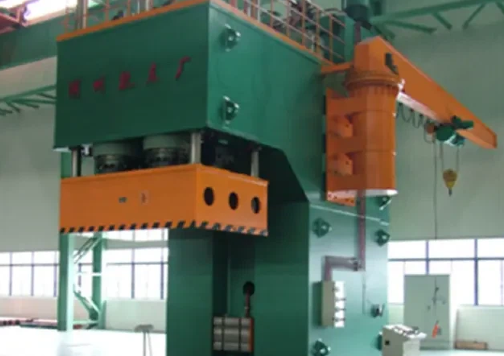
The frame design of the hydraulic press must be robust enough to handle the high forces involved in aluminum rotor casting. The press should have a strong frame and tie bar structure to minimize deflection and ensure that the mold stays in proper alignment during the casting process.
The structural integrity of the press is critical for maintaining consistent quality and ensuring that the machine can handle the high stresses of casting without losing precision.
Additional Factors to Consider
1. Maintenance and Serviceability
Like all industrial equipment, hydraulic presses require regular maintenance to ensure they continue to operate efficiently and reliably. When selecting a press for aluminum rotor casting, it's important to consider how easy the machine will be to maintain. Look for presses with accessible parts, clear maintenance procedures, and reliable support from the manufacturer.
2. Energy Efficiency
Given the significant energy consumption of hydraulic presses, selecting an energy-efficient model is important for reducing operating costs. Look for presses that feature energy-saving technologies such as variable displacement pumps, efficient motors, and optimized hydraulic systems.
3. Supplier Support
When purchasing a hydraulic press, it's essential to consider the level of support you will receive from the supplier. This includes installation assistance, training, technical support, and access to spare parts. A reputable supplier will offer comprehensive support to ensure that the press is properly set up and maintained throughout its lifespan.
Conclusion
Selecting the right hydraulic press for aluminum rotor casting is crucial for ensuring high-quality production, efficiency, and cost-effectiveness. By considering key specifications like clamping force, injection pressure, die size, temperature control, cycle time, and automation features, you can choose a press that fits your needs. It's also important to select a supplier that offers strong support and maintenance services to ensure the longevity and reliability of the press.
For reliable hydraulic presses in the aluminum rotor casting industry, Huzhou Machine Tool Works Co., Ltd. provides a range of presses designed for precision and durability. With their expertise and comprehensive customer support, they are a trusted partner for aluminum rotor casting projects.


