Closed die forging is a critical manufacturing process that shapes metal by applying high pressure within a die, allowing for the creation of complex, high-strength components. It plays a pivotal role in industries like aerospace, automotive, and heavy machinery, where precise, durable parts are essential. In recent years, the integration of servo-driven technology has significantly enhanced the efficiency and precision of closed die forging. By offering better control over force, speed, and motion, servo-driven systems enable manufacturers to achieve higher accuracy and more consistent results. Metal Surface Forming Hydraulic Presses, equipped with servo-driven systems, allow for even greater flexibility in producing complex parts, reducing cycle times, and improving energy efficiency, making them a game-changer in modern manufacturing.
What is Servo-Driven Closed Die Forging?
Explanation of Servo-Driven Technology and Its Use in Closed Die Forging
Servo-driven technology in closed die forging involves the use of servo motors to control the motion of the hydraulic press, replacing traditional hydraulic pumps with electronically controlled actuators. These servo motors offer precise control over speed, position, and force, providing greater flexibility and accuracy during the forging process. Servo-driven systems are particularly beneficial in closed die forging because they allow for variable control of the press during different stages of the operation, ensuring optimized force application and improved part quality.
Key Components of Servo-Driven Systems in Hydraulic Presses
Servo Motors: These motors drive the movement of the ram or piston in the hydraulic press. They adjust in real-time based on feedback, ensuring the correct amount of force is applied throughout the forging process.
Hydraulic System: Though servo systems are used for controlling motion, the press still uses hydraulic fluid for force generation. The servo motor works in tandem with the hydraulic system, improving overall control without compromising power.
Control System: The control system integrates sensors and feedback loops to monitor parameters like speed, force, and position. It ensures that the servo motors adjust to maintain precise control of the forging cycle.
Feedback Mechanisms: Sensors are used to continuously monitor and adjust the system’s parameters, ensuring real-time precision in the press's motion.
Difference Between Traditional and Servo-Driven Forging Methods
Traditional hydraulic presses rely on fixed-speed pumps and mechanical components to generate constant force, which can lead to inefficiencies, slower cycle times, and less precise control. Servo-driven presses, on the other hand, use variable speed and force controls, which allow for more adaptability and precision in the forging process. This adaptability leads to better energy efficiency, faster cycle times, and improved product consistency.
Benefit 1: Enhanced Precision and Repeatability
How Servo-Driven Systems Provide Better Control Over Force and Speed
Servo-driven systems provide advanced control over the speed and force of the press, adjusting them based on real-time feedback. This allows for fine-tuning of the forging process, where the system can apply different levels of pressure at different stages of the operation, ensuring that the metal is formed precisely. Servo motors enable smoother adjustments, reducing the risk of overshooting or underperforming, which is often seen in traditional systems.
The Impact of Improved Precision on Part Quality and Consistency
Improved precision directly enhances part quality, as the exact amount of force and speed is applied to each workpiece, resulting in uniform deformation and minimal material wastage. This precision ensures that parts meet stringent quality standards, with fewer defects and variations between each part produced. Moreover, the repeatability of the process allows for consistent output across production cycles, which is critical for high-volume manufacturing operations where uniformity is essential.
Benefit 2: Increased Energy Efficiency
How Servo-Driven Systems Reduce Energy Consumption Compared to Traditional Hydraulic Presses
Servo-driven systems are far more energy-efficient than traditional hydraulic presses because they can adjust the motor’s speed and power based on the needs of each forging cycle. Traditional hydraulic presses operate with constant, fixed-speed pumps that run continuously, consuming energy even when not needed. In contrast, servo motors use only the energy required for specific movements, reducing unnecessary energy consumption during idle periods or when low-force application is required. This dynamic energy usage results in lower overall energy consumption, as the servo-driven system adapts to the exact demands of the process.
Cost-Saving Benefits of Energy-Efficient Forging
By reducing energy consumption, servo-driven presses can significantly lower operational costs. The ability to adjust power output according to the press's needs helps manufacturers save on electricity bills, particularly in high-volume or long-running operations. Over time, these savings can offset the initial investment in servo-driven technology. Additionally, the reduced wear and tear on components due to more efficient operation extends the press’s lifespan, leading to lower maintenance costs and fewer repairs.
Benefit 3: Greater Flexibility and Customization
The Ability to Easily Adjust Parameters for Different Materials and Part Designs
Servo-driven hydraulic presses offer greater flexibility compared to traditional systems by allowing operators to fine-tune parameters such as force, speed, and stroke length. This adaptability is particularly beneficial for working with various materials, including metals with different flow characteristics or materials that require special treatment during the forging process. The press can easily adjust to different part designs, ensuring that the necessary pressure and motion are applied for optimal material deformation, regardless of complexity or variation in shape.
Faster Changeovers and Customization for Diverse Production Needs
Servo-driven presses enable faster changeovers, as the control system can quickly adjust the press’s settings to accommodate different production runs or part designs. This is a major advantage in industries with frequent product changes or low-volume, high-mix manufacturing. Instead of manually recalibrating mechanical systems or waiting for parts to warm up or adjust, servo motors can swiftly recalibrate the press, reducing downtime and increasing overall production efficiency. This flexibility also allows manufacturers to customize the press for various applications, making it ideal for industries with evolving or diverse production needs.
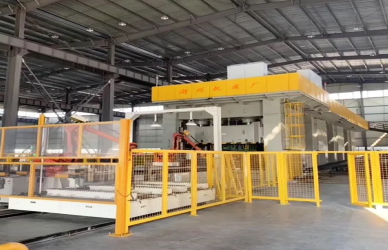
Benefit 4: Faster Production Cycles
How Servo-Driven Technology Accelerates the Forging Process
Servo-driven systems enhance the forging process by providing precise control over speed and motion. With the ability to adjust the velocity of the ram or piston in real time, servo-driven presses can optimize each phase of the forging cycle, such as preform, main forging, and ejection. The press can accelerate or decelerate based on the material and desired shape, reducing delays typically caused by mechanical systems with fixed speeds. This greater control enables faster, more efficient transitions between steps in the forging process.
Reducing Cycle Time and Increasing Throughput in High-Volume Manufacturing
By minimizing unnecessary delays and optimizing force application, servo-driven presses reduce overall cycle times. In high-volume manufacturing, shorter cycle times result in higher throughput, allowing manufacturers to produce more parts in less time. This increased efficiency is crucial for industries that rely on high production rates, such as automotive and aerospace, where meeting tight deadlines and maintaining high output are essential to competitiveness.
Benefit 5: Reduced Maintenance and Operational Costs
Longer Machine Life and Fewer Mechanical Issues with Servo-Driven Presses
Servo-driven hydraulic presses tend to experience less wear and tear compared to traditional presses because they have fewer moving parts and operate with smoother, more precise adjustments. The reduction in mechanical friction and stress on components like motors and cylinders leads to longer machine life and fewer mechanical failures. This reliability improves overall operational performance, reducing the likelihood of unexpected breakdowns that can halt production and incur repair costs.
Lower Maintenance Costs and Reduced Downtime
With fewer mechanical components under constant stress and more efficient operation, servo-driven presses require less frequent maintenance. The ability to monitor and adjust settings through advanced control systems helps detect issues before they become significant, preventing costly repairs. Reduced downtime also contributes to lower overall maintenance costs, allowing manufacturers to allocate resources more effectively and minimize the impact of disruptions on production. This combination of lower maintenance costs and higher uptime makes servo-driven presses a more cost-effective choice in the long run.
Frequently Asked Questions (FAQ)
1.How does servo-driven technology improve the consistency of forged parts?
Servo-driven technology ensures precise control over force and speed, leading to uniform deformation and improved consistency across all forged parts.
2.What industries benefit most from servo-driven closed die forging?
Automotive, aerospace, heavy machinery, and tooling industries benefit most due to the need for precision, flexibility, and efficiency in producing complex parts.
3.Can servo-driven closed die forging handle a wide range of materials?
Yes, servo-driven forging can handle various materials, including steel, titanium, aluminum, and alloys, adjusting parameters for optimal results.
4.What are the key differences between servo-driven and traditional hydraulic forging?
Servo-driven presses offer variable speed and force control, improving precision and energy efficiency, while traditional presses use fixed-speed pumps and offer less flexibility.
Conclusion
Servo-driven closed die forging offers significant advantages, including enhanced precision, energy efficiency, greater flexibility, faster production cycles, and reduced maintenance costs. By providing precise control over force, speed, and motion, servo-driven technology improves the consistency and quality of forged parts, while also optimizing energy use and reducing operational downtime. For modern manufacturers, adopting this technology is essential to remain competitive in industries like automotive, aerospace, and heavy machinery, where precision, efficiency, and cost-effectiveness are critical to success. Embracing servo-driven systems enables manufacturers to meet the demands of high-volume production while maintaining high standards of quality and performance.


