The automotive industry faces a massive shift toward vehicle lightweighting and electric vehicle (EV) manufacturing. This transition requires tighter tooling tolerances than ever before. It also demands lower per-part energy costs. Traditional hydraulic systems simply cannot deliver these strict metrics consistently over long production runs. Manufacturers must seek better forming technologies to remain competitive.
Enter specialized servo-driven solutions. Engineers designed these systems specifically for precise metal forming and cold or warm extrusion tasks. They provide the exact digital control modern production floors desperately need. Operators can manipulate ram speeds and holding pressures down to fractions of a millimeter. This capability changes how automotive suppliers approach complex part geometries.
Upgrading your facility requires balancing initial capital expenditure against concrete, long-term gains. You must evaluate the potential for reduced cycle times. You also need to measure anticipated scrap reduction and facility-wide energy efficiency. In this guide, we explore how advanced pressing technology scales modern manufacturing. You will learn to size equipment correctly and implement it flawlessly.
Key Takeaways
The HJY61 series replaces continuous-run asynchronous motors with on-demand servo drives, typically reducing energy consumption by 30% to 50%.
Closed-loop control systems in servo hydraulic presses provide exact ram positioning and pressure repeatability, crucial for high-yield automotive part production.
Evaluating this automotive hydraulic press requires analyzing specific tooling requirements, required tonnage, and facility automation readiness.
Implementation success depends on proper foundation planning and integration with robotic feeding/unloading systems.
Traditional manufacturing setups suffer from outdated operational mechanics. Legacy machines run induction motors continuously. They consume huge baseline energy even when the machine sits idle between cycles. This constant fluid pumping heats the hydraulic oil significantly. High temperatures degrade oil viscosity rapidly. Operators face constant pressure variations during the critical extrusion phase.
Uneven pressure causes inconsistent wall thicknesses in extruded parts. This directly harms your overall production success. In modern automotive manufacturing, quality assurance teams reject minor deviations instantly. Structural components require absolute uniformity to perform safely. An EV battery tray or a suspension control arm cannot fail under road stress. You simply cannot afford high scrap rates when working with expensive alloys.
Upgrading to a metal extrusion hydraulic press solves thermal issues directly. Servo motors remain dormant until the programmable logic controller requests movement. They do not heat the oil during idle loading times. This thermal stability keeps the fluid viscosity completely constant throughout the shift. You achieve a perfectly stabilized extrusion force curve. The machine applies the exact required force without unexpected pressure spikes.
The HJY61 series utilizes advanced proportional valve technology. It syncs these valves directly with high-torque servo motors. This closed-loop system monitors the exact ram position hundreds of times per second. You achieve highly repeatable stroke accuracy, often to within ±0.01mm. The press holds pressure flawlessly during the critical material dwell phase.
Multi-stage speed control optimizes every single production cycle. The machine executes a rapid fast-approach phase to save valuable seconds. It then shifts smoothly into a slow, highly controlled extrusion speed. After the metal forms, the ram executes a rapid return stroke. This kinematic efficiency reduces overall cycle times dramatically. It also prevents premature tooling wear and extends costly die life.
Thermal and noise reduction present immediate operational benefits. Servo pumps run strictly on demand. They activate only to move the hydraulic cylinders. This reality creates much cooler fluid temperatures inside the reservoir. You rarely need to install expensive, energy-hungry auxiliary cooling chillers. The factory floor also becomes significantly quieter. Operators experience much less auditory fatigue without the constant whine of legacy pumps.
High extrusion tonnage requires serious structural rigidity. These machines feature heavily ribbed frames or massive multi-column constructions. Engineers design the frame to minimize physical deflection under maximum load. Zero deflection ensures the upper and lower die halves align perfectly. This structural rigidity guarantees superior part quality and prevents lateral tooling shear.
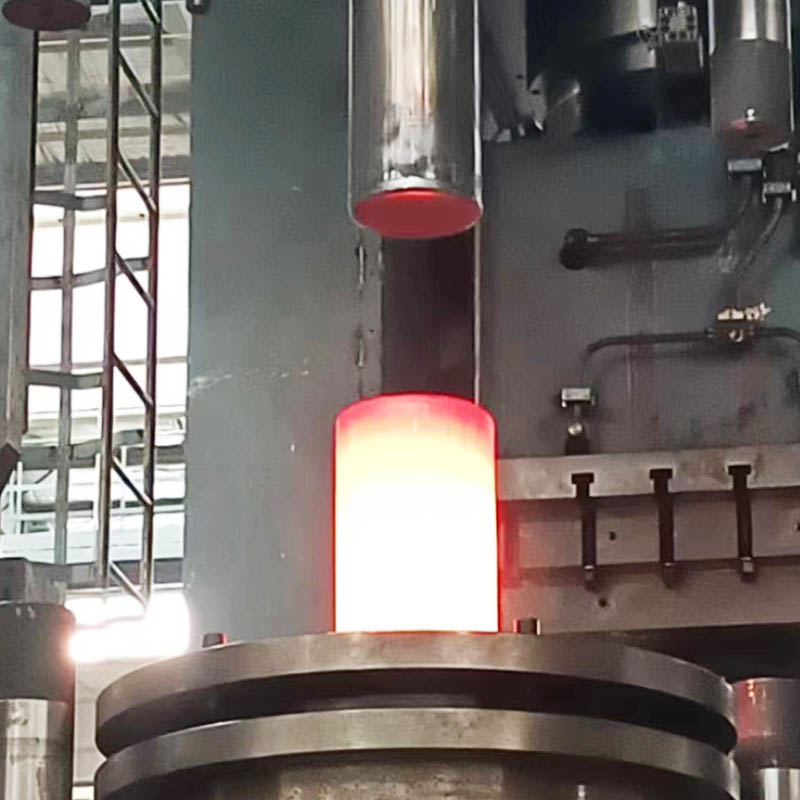
Key Applications for the Automotive Hydraulic Press
The automotive sector demands high-strength-to-weight ratios across new vehicle platforms. An automotive hydraulic press excels at forming structural aluminum components. You can produce complex crash boxes, frame rails, and bumper beams efficiently. The steady holding pressure yields dense, void-free aluminum profiles. These parts absorb impact energy better than traditional steel stampings.
Electric vehicles introduce highly specific component requirements. Manufacturers must produce robust motor housings to protect sensitive copper windings. Battery enclosure frames require structural integrity to prevent pack puncturing. Thermal management heat sinks need deep, complex fin structures for cooling. The precise ram control handles these intricate geometries flawlessly without tearing the base material.
Transmission and drivetrain manufacturing relies heavily on cold forging. High-stress steel components require massive, controlled force. You can cold-forge gears, drive shafts, and planetary carriers reliably. The extrusion process compresses the metal lattice. This action improves the internal grain structure and increases the ultimate tensile strength of the steel part.
These specific control features map directly to better production outcomes. Precise material flow translates to exceptional surface finishes.
The stabilized pressing force minimizes excess material flash.
You generate fewer burrs along the part parting lines.
Operators spend drastically less time on secondary CNC machining.
Finished components often transition straight from the press to the assembly line.
Evaluation Framework: Sizing and Specifying the HJY61 Series Press
You must match the machine capacity to your exact tooling requirements. Calculate the required material shear strength and your maximum part depth accurately. Over-specifying your machine wastes valuable upfront capital. Under-specifying causes equipment stalling and rapid mechanical failure. We always recommend adding a 20% safety margin above your maximum calculated load.
Complex, multi-stage progressive tooling requires ample physical space. You must size the daylight opening generously to accommodate tall die sets. The bed size and bolster plate must fit automated die clamping systems. Ensure you leave adequate clearance for robotic arms to remove finished parts. A correctly sized HJY61 series press handles complex automation setups without physical binding.
Modern industrial equipment must fiercely protect human operators. You must evaluate integrated safety features carefully. Look for high-resolution light curtains across all access points. Dual-hand control stations remain mandatory for manual loading operations. Mechanical hydraulic safety blocks prevent catastrophic gravity falls during routine maintenance. You must align these features against regional manufacturing standards. Ensure full compliance with ISO, CE, or OSHA requirements depending on your factory location.
Comparison Table: Legacy vs. Advanced Servo Systems
Feature | Legacy Induction Press | Advanced Servo Press |
Motor Operation | Continuous running (always on) | On-demand operation |
Energy Efficiency | Low (high idle waste) | High (minimal idle waste) |
Thermal Output | High heat generation | Low heat generation |
Kinematic Control | Single or limited speed profiles | Multi-stage programmable speeds |
Positional Accuracy | Moderate (requires mechanical stops) | High (closed-loop sensor feedback) |
Implementation Realities: Floor Rollout and Automation Risks
Heavy-tonnage models require serious physical groundwork before delivery. You cannot place these massive machines on standard factory concrete. They often require deep pit construction for structural anchoring. You must install heavy-duty vibration isolation pads. These pads prevent shockwave transmission to nearby sensitive CNC machines. Verify your floor load-bearing capacities early. A shifting foundation quickly destroys ram alignment and ruins part geometry.
A modern servo hydraulic press functions as a critical digital node. You must assess its PLC and HMI readiness during procurement. It must integrate flawlessly with external robotics and automated coil feeders. Factory Manufacturing Execution Systems (MES) require real-time data harvesting. Ensure the press can export stroke data, error codes, and pressure logs seamlessly to your central server.
Your maintenance teams will face a significant technical shift. They transition away from managing constant-run pump wear and massive oil leaks. Now, they must troubleshoot complex servo drives and closed-loop position sensors. You must provide them with advanced electrical diagnostics training. Mechanical failures decrease, but digital sensor calibration becomes critical for maintaining part quality.
Never skip a comprehensive factory acceptance test (FAT). You must run your actual production dies at the vendor's assembly facility. Verify exact cycle times and confirm part tolerances before the machine ships. Check the interface handshakes with your robotic loading systems. Final project sign-off should only happen after successful, continuous FAT runs.
Conclusion
Upgrading to a sophisticated metal extrusion press drives predictable manufacturing quality. It serves as a highly calculated investment in daily operational efficiency. Automotive suppliers gain the tighter part tolerances required for modern vehicle platforms. You also eliminate the chronic thermal issues associated with older pressing technologies.
Procurement teams must approach machine selection with hard data. Demand accurate cycle-time simulations from your equipment vendor. Ask them for detailed energy-draw estimates based specifically on your exact part drawings. Do not accept generic performance brochures. Validate the kinematic profiles against your specific alloy yield strengths.
Follow these distinct action steps to begin your facility upgrade:
Gather your most demanding automotive part drawings and tooling dimensions.
Request full technical specifications from your press manufacturer.
Calculate your maximum required tonnage with a 20% safety margin.
Schedule a dedicated engineering consultation to finalize your floor integration plan.
FAQ
A: The HJY61 series typically reduces energy consumption by 30% to 50%. Traditional presses run induction motors continuously, wasting massive power during idle loading phases. Servo-driven presses only activate their motors when ram movement is actually required. This on-demand operation eliminates idle energy draw and heavily reduces hydraulic fluid heating.
Q: Can the HJY61 series press be retrofitted into an existing automated production line?
A: Yes, it integrates seamlessly into existing factory automation. The advanced control systems feature industry-standard PLC compatibility and open communication protocols. They provide standard digital I/O availability for robotic tending and automated coil feeding systems. This open connectivity ensures easy handshaking with factory Manufacturing Execution Systems (MES).
Q: What is the typical lead time and installation duration for an automotive hydraulic press of this scale?
A: Manufacturing lead times generally range from 16 to 24 weeks, depending heavily on custom bed sizes and specific tonnage requirements. Installation and commissioning typically take 2 to 4 weeks on-site. This timeframe accounts for foundation setting, precision leveling, electrical integration, and rigorous factory acceptance testing.
A: It extends tool life significantly. The programmable kinematics allow the ram to execute a rapid approach, then safely decelerate right before material contact. This targeted speed reduction eliminates the violent mechanical shock typical of conventional presses. Smoother material entry reduces die wear, lowers micro-cracking risks, and increases intervals between maintenance.


